Halloween Lung Anatomy: A Designer’s Craft Fair Review
As an embroidery designer who has spent countless hours behind a booth at local craft fairs and managing online storefronts, I have learned that not every design translates well from screen to stitch. When I first pulled up the Halloween Lung Anatomy file on my digitizing software, I was looking for more than just anatomical accuracy. I was looking for marketability. In the world of handmade goods, especially during the spooky season, customers are drawn to items that balance humor, education, and aesthetic appeal. This design sits squarely in that sweet spot, offering a unique twist on traditional Halloween motifs.
First Impressions: Bold, Educational, and Unexpected
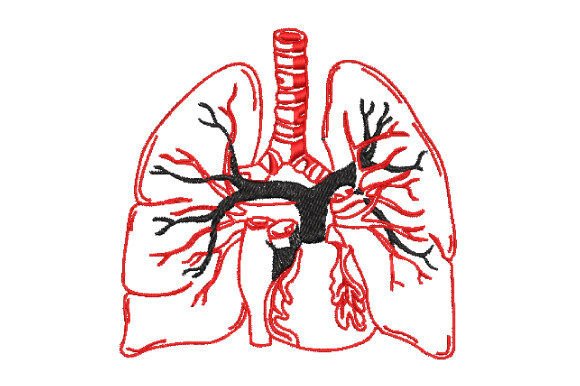
The immediate visual impact of the Halloween Lung Anatomy design is striking. It does not rely on the typical ghosts or pumpkins that saturate the market in October. Instead, it offers a modern, slightly macabre, yet scientifically intriguing look. For a craft fair seller, this differentiation is crucial. When a potential customer walks past a table filled with standard seasonal decor, a piece featuring detailed lung anatomy catches the eye because it is unexpected. It feels bold and modern, appealing to medical professionals, students, biology enthusiasts, and anyone who appreciates dark academia or quirky humor.
The design lends itself to a premium feel. It is not overly cartoonish, which allows it to be used on higher-end handmade products without looking cheap. Whether you are aiming for a rustic vibe with natural linen or a sleek modern look with black cotton, the anatomical structure provides a strong focal point that commands attention.
Product Versatility for the Weekend Booth
When preparing my display for a weekend craft fair, I always consider which items will serve as the best canvas for a specific machine embroidery design. The Halloween Lung Anatomy pattern is remarkably versatile. Here is how I envision it performing across various product categories:
- Tote Bags and Market Bags: This is perhaps the strongest contender. A large, centered embroidery on a sturdy canvas tote creates an instant statement piece. The tote bag design potential here is high because the flat surface allows the details of the lungs to remain clear and un-distorted.
- Aprons and Kitchen Textiles: An apron embroidery featuring this design appeals directly to the "mad scientist" or culinary enthusiast demographic. It also works beautifully on tea towel embroidery, provided the scale is adjusted correctly to fit the narrower fabric width.
- Apparel and Accessories: On t-shirts, this design serves as a great conversation starter. For hats, one must be cautious; curved surfaces can distort intricate anatomical lines. However, a smaller version could work as a subtle accent on a beanie or cap.
- Home Decor: Pillow covers and fabric pouches benefit from the symmetrical nature of lung anatomy. It creates a balanced look that is pleasing to the eye, making it a strong small shop product for home decorators.
Production Practicality and Stitch Quality
From a production standpoint, the viability of any digital embroidery file comes down to stitch quality and ease of execution. The Halloween Lung Anatomy design appears to have a good balance of fill stitches and satin columns, which is essential for maintaining clarity. However, there are critical factors to consider before running a batch production.
Stitch density is a primary concern. Anatomical designs often require fine details to represent bronchioles and vessels. If the density is too high, the fabric may pucker, especially on lighter materials like handkerchiefs or thin cotton tees. Conversely, if the density is too low, the design may look sparse and lack the professional finish customers expect from a finished product. I recommend testing the design on scrap fabric similar to your final product material to gauge how the threads lay.
Another practical consideration is the hoop size. Ensure that the design fits comfortably within your standard hoops without requiring excessive re-hooping, which slows down production time. For a craft fair environment, efficiency is key. You want a design that is quick to hoop, stitch out cleanly, and requires minimal trimming or cleanup.
Navigating Fabric Texture and Color
The choice of fabric can make or break the visibility of this design. On dark fabrics, such as black or navy blue, you must carefully select thread colors that offer high contrast. Neon greens, bright reds, or stark whites can pop dramatically against dark backgrounds, enhancing the "Halloween" vibe. However, on textured towels or rougher linen, fine details may get lost in the weave. In these cases, simplifying the design or increasing the stitch weight might be necessary to maintain legibility.
Using the right stabilizer is non-negotiable. Given the potential complexity of the lung structures, a cut-away stabilizer is often safer for garments that will be washed frequently, while a tear-away might suffice for decorative pillows or wall hangings. Always test your stabilizer combination to prevent shifting during the embroidery process.
Marketing and Visual Appeal for Etsy Sellers
For those selling online, particularly Etsy sellers, the visual presentation of the Halloween Lung Anatomy design is paramount. This design photographs exceptionally well because of its distinct shapes. Creating a printable mockup or taking high-quality photos of the actual embroidered item can significantly boost engagement. The unique nature of the design makes it highly shareable on social media, where niche interests like medical humor thrive.
When listing this as a commercial embroidery product or a finished good, emphasize the uniqueness. Use keywords that highlight the educational and humorous aspects. Buyers are often looking for gifts for nurses, doctors, or biology teachers, and this design fits that niche perfectly. Ensure that your listing images show close-ups of the stitch quality to build trust with potential buyers who cannot touch the product physically.
Final Designer Notes and Licensing
Before committing to a large run of craft fair products, there are a few final checks every designer should perform. First, verify the commercial licensing terms of the embroidery file. Not all digital purchases allow for the sale of finished physical goods, so confirm this detail to protect your business. Second, create at least one real mockup on your intended fabric. Digital previews can sometimes misrepresent how thread colors interact with fabric dyes.
Finally, consider the scalability. Does the design hold up when resized? If you plan to offer it on both small pouches and large tote bags, ensure that the smaller version does not lose critical details. Tiny lettering or extremely fine lines may merge or break when scaled down, reducing the overall quality of the design assets.
In conclusion, the Halloween Lung Anatomy design is a strong candidate for autumnal collections. It offers a fresh alternative to traditional spooky imagery, appeals to a specific and passionate demographic, and performs well on a variety of textiles. With careful attention to stitch density, fabric choice, and stabilization, this design can become a standout bestseller in your handmade shop or craft fair booth.