Baby Feet Baby Heartbeat: A Craft Fair Review
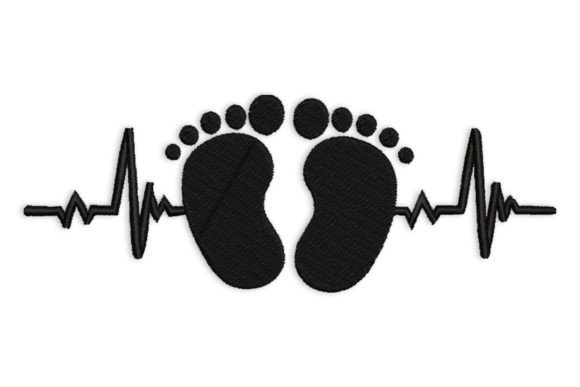
As an embroidery designer who has spent countless weekends behind a booth table, I know that not every machine embroidery design translates into a bestseller. Some designs look beautiful on a screen but fail to capture attention in the chaotic environment of a handmade market. Today, I am reviewing Baby Feet Baby Heartbeat, a digital file created for machine embroidery, typically featuring a representation of baby feet along with a visual heartbeat line. This review is written from the perspective of preparing for a high-traffic craft fair, focusing on what actually sells, what looks premium in person, and how to maximize your return on investment.
First Impressions and Market Appeal
The first thing I look for in a new embroidery file is immediate emotional resonance. Baby Feet Baby Heartbeat hits a very specific, powerful note: warmth and nostalgia. The combination of tiny feet and a heartbeat line suggests life, love, and new beginnings. It does not feel overly rustic or strictly farmhouse; instead, it leans toward a soft, modern sentimental style. This makes it incredibly versatile. While the product category is listed under Boys, the neutral nature of footprints and heartbeats means this design appeals to parents of all genders. It is a safe, heartfelt choice for baby showers, first birthdays, and memorial gifts.
For an Etsy seller or boutique maker, this emotional hook is vital. Customers do not just buy thread on fabric; they buy the feeling the item evokes. This design feels gentle and protective, which is exactly what new parents are looking for. It stands out because it is simple yet profound, avoiding cluttered graphics in favor of a clean, recognizable silhouette.
Product Placement and Versatility
When planning my booth display, I consider where a design will have the most impact. Baby Feet Baby Heartbeat is not just a one-trick pony. Here is how I envision it performing across various craft fair products:
- Tote Bags and Market Bags: This is perhaps the strongest contender. A canvas tote with this design centered creates an instant tote bag design that screams "gift ready." The contrast of dark thread on natural canvas highlights the heartbeat line effectively.
- Aprons and Kitchen Textiles: For apron embroidery, placing the design on the bib area creates a sweet keepsake for grandparents. Similarly, tea towel embroidery works well if the design is scaled correctly. However, you must be cautious with textured towels; the heartbeat line needs to remain crisp against the waffle weave or terry cloth.
- Caps and Hats: Embroidering on curved surfaces is tricky. This design could work on a dad hat or beanie, but only if the footprint detail is not too dense. If the stitch count is high, it may pucker the fabric. I recommend testing this on a structured cap first.
- Patches and Pouches: Creating an embroidered patch allows customers to buy the design without committing to a large garment. These are excellent impulse buys at a checkout counter. Small fabric pouches with this motif make perfect small shop product additions for storing pacifiers or small toys.
Production Practicality and Batch Efficiency
From a production standpoint, time is money. A design that takes twenty minutes to hoop and stitch is less profitable than one that runs quickly and cleanly. Baby Feet Baby Heartbeat appears to be a design that balances detail with efficiency. The footprint provides a solid anchor, while the heartbeat line offers movement. For batch production, this is ideal. You can hoop multiple items, run the machine, and move on. It feels repeatable, which is crucial when you need to restock popular items like pillow covers or burp cloths before a big market weekend.
Photography is another critical factor. This design photographs exceptionally well for online listings. The linear nature of the heartbeat creates leading lines that draw the eye, making it easy to create a compelling printable mockup or lifestyle photo. Whether you are selling the digital embroidery file itself or the finished product, the visual clarity of the design helps it pop on social media feeds.
Technical Considerations and Careful Use
While the design is lovely, there are technical pitfalls to avoid. As an experienced designer, I always advise checking the stitch density before running a full batch. If the footprint area is too dense, it can cause fabric distortion, especially on lighter materials like cotton onesies or silk blends. Always use the appropriate stabilizer. For knit fabrics, a cut-away stabilizer is non-negotiable to prevent stretching over time.
Thread contrast is also key. On dark fabrics, ensure your thread colors stand out. A white or light gray thread on navy blue creates a striking, premium look. Conversely, using similar tones might make the heartbeat line disappear, reducing the design's impact. Additionally, check the hoop size compatibility. Ensure the design fits within your standard hoops without requiring excessive re-hooping, which slows down production.
Be mindful of tiny details. If the design includes small text or intricate toe details, verify that they do not get lost when scaled down for smaller items like pockets or cuffs. Clarity at a glance is essential for commercial embroidery success. If a customer cannot identify the image from three feet away, it may not stop them in their tracks.
Enhancing Brand Consistency and Value
Incorporating Baby Feet Baby Heartbeat into your lineup can strengthen your brand identity if you position it correctly. It signals that your shop specializes in thoughtful, personalized handmade product offerings. It adds a layer of perceived value because it speaks to a universal human experience. When displayed alongside other baby-themed items, it creates a cohesive collection that encourages bundle purchases.
To maximize buyer engagement, consider offering customization. Can you add a name below the heartbeat? Can you change the thread colors to match a nursery theme? These small adjustments transform a standard design asset into a bespoke treasure. Remember, the goal is to make the customer feel that this item was made specifically for them.
Final Designer Notes
Before you list this as a top seller, take these practical steps. First, test the design on scrap fabric that matches your intended product material. Check for puckering, thread breaks, or registration issues. Second, confirm the commercial licensing terms. Just because you bought the digital file does not automatically grant unlimited commercial rights; always read the license included with the download. Third, create at least one real-life sample for your booth. Touch and feel matter. Customers want to see the texture of the stitches and the quality of the fabric.
In conclusion, Baby Feet Baby Heartbeat is a strong contender for any embroidery business focused on family and baby markets. It is emotionally resonant, visually clear, and versatile across multiple product types. With careful attention to stitch density, fabric choice, and presentation, this design can become a staple in your craft fair inventory. It represents the kind of warm, meaningful craftsmanship that builds loyal customers and drives repeat sales. Treat it with the technical respect it deserves, and it will reward you with consistent engagement and sales.