First Christmas Embroidery: A Designer’s Craft Fair Review
As an embroidery designer who has spent countless weekends behind a craft fair booth, I know that not every machine embroidery design is created equal. Some look beautiful on a screen but fail to capture attention in person. Others are so dense they ruin the fabric or take too long to stitch for profitable batch production. Today, I am reviewing First Christmas, a design that promises to be fun, easy to stitch, and elegant on any fabric. My goal is to determine if this embroidery file deserves a spot in your upcoming holiday product lineup.
First Impressions: Balancing Fun and Elegance
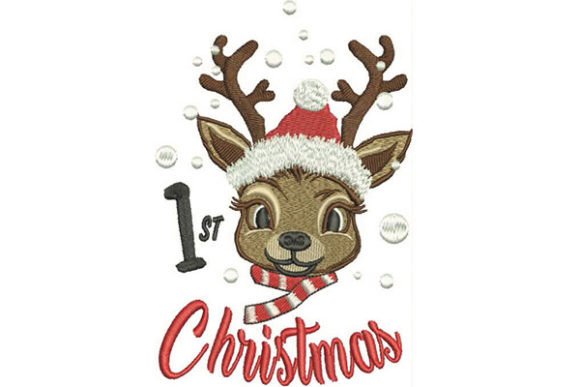
The title First Christmas immediately evokes a specific emotional response. It suggests nostalgia, new beginnings, and the warmth of family traditions. Based on the description, this design aims to bridge the gap between "fun" and "elegant." In the world of handmade goods, this is a powerful combination. A design that is too cute might feel juvenile, while one that is too formal might feel cold. First Christmas appears to hit a sweet spot, making it versatile for various demographics, from new parents buying keepsakes to adults looking for sophisticated holiday decor.
When I visualize this design on a display table, I look for clarity. Does it read well from three feet away? The description notes it is "easy to stitch," which often implies clean lines and manageable color changes. This is crucial for a craft fair product because customers need to understand the motif instantly. If they have to squint to see what it is, they will keep walking. The promise of elegance suggests refined typography or balanced imagery that elevates the perceived value of the finished product.
Product Applications for Maximum Sales
To maximize revenue, you must place the right design on the right item. Here is how First Christmas performs across common handmade categories:
- Tote Bags and Market Bags: A tote bag design needs to be bold. If First Christmas has sufficient scale, it works beautifully here. Shoppers love reusable bags with festive messages. Ensure you use a heavy-weight stabilizer to prevent puckering on canvas.
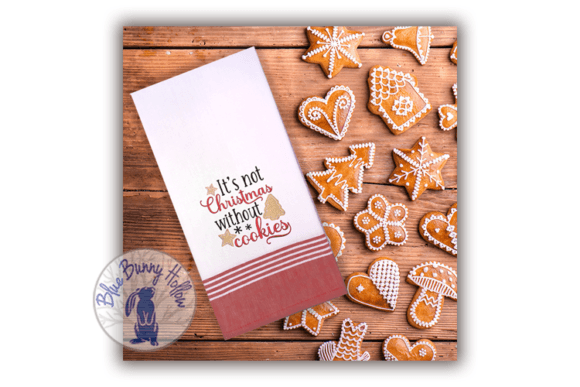
- Aprons and Tea Towels: For apron embroidery and tea towel embroidery, placement is key. On an apron, center the design on the bib or the lower skirt. For towels, avoid the hem where stitching might interfere with folding. The "elegant" aspect of this design makes it perfect for kitchen textiles that double as gifts.
- Embroidered Patches: If the design holds up at a smaller size, turning it into an embroidered patch is a brilliant low-cost, high-margin item. Patches appeal to younger buyers and allow for easy application on jackets or hats later.
- Pillow Covers: Holiday pillows are staple sellers. The design should act as a focal point. Because the description mentions it looks gorgeous on any fabric, try it on linen or velvet for a premium feel.
- Caps and Hats: Be cautious here. Curved surfaces distort designs. If First Christmas has wide lettering, it may need digitizing adjustments to arch correctly. Always test on a curved cap before selling.
Production Practicality for Small Shop Owners
For an Etsy seller or boutique maker, time is money. The description states this is a "high-quality embroidery design that is fun and easy to stitch." This is music to my ears. "Easy to stitch" usually means fewer thread breaks, less trimming, and faster hoop-up times. When preparing for a busy holiday market, you need a small shop product that you can produce in batches without exhaustion.
However, "easy" does not mean "careless." You must still evaluate the stitch density. If the design has large filled areas, it might pull lightweight fabrics. If it is mostly satin stitch or running stitch, it will lay flatter. Since the product comes with multiple embroidery formats, ensure you select the correct hoop size for your machine to avoid resizing, which can distort stitch quality.
Photography is another critical factor. Does First Christmas photograph well? Designs with good contrast and clear details create stunning printable mockup images and real-life photos for your online listings. A design that looks muddy in photos will not click-through. The "elegant" nature of this design suggests it will look premium in flat-lay photography, especially when paired with natural props like pine cones or wool textures.
Careful-Use Notes and Technical Considerations
Even the best digital embroidery file requires technical diligence. Here are specific areas where First Christmas might present challenges:
- Fabric Texture: The description claims it works on any fabric, but textured towels can swallow small details. If the design has fine lines, avoid looped terry cloth. Stick to waffle weave or smooth cotton for clarity.
- Dark Fabric: If you plan to stitch on navy or black, ensure the thread colors provide enough contrast. You may need to add an underlay or use a lighter top thread to make the design pop.
- Small Lettering: If "First Christmas" includes text, check the legibility at smaller sizes. Tiny serif fonts can become illegible blobs when stitched. Always do a test stitch on scrap fabric identical to your final product.
- Stabilizer Selection: Do not guess. Use a cut-away stabilizer for stretchy knits and tear-away for woven cottons. The wrong stabilizer can ruin the "elegant" look by causing wrinkles or stiffness.
Enhancing Brand Consistency and Buyer Engagement
Using First Christmas consistently across your booth can strengthen your brand identity. If you use this design on tote bags, matching patches, and pillows, you create a cohesive collection. This visual repetition helps customers recognize your style. It transforms individual items into a curated handmade product line.
Buyer engagement increases when the product tells a story. First Christmas naturally invites conversation. Customers might share stories of their own first holidays or ask about gift ideas for new babies. This emotional connection drives sales. Furthermore, offering commercial embroidery rights or finished goods using this design allows you to tap into the B2B market, selling to other crafters who want ready-to-sew blanks.
Final Verdict and Designer Tips
Before you commit to full production, follow these steps to ensure success with First Christmas:
- Test on Scrap: Never skip this. Stitch the design on the exact fabric you intend to sell.
- Check Thread Contrast: Ensure the colors stand out against your chosen background.
- Review Spacing: Confirm there is enough margin around the design for your hoop.
- Inspect Stitch Density: Feel the back of the sample. Is it too stiff? Adjust tension if needed.
- Confirm Licensing: The description mentions it is a high-quality design, but always verify the license terms for selling finished products. Ensure you are compliant with the creator's rules for design assets.
In conclusion, First Christmas shows strong potential as a versatile seller for the holiday season. Its blend of fun and elegance makes it suitable for a wide range of craft fair products, from kitchen textiles to wearable accessories. By paying attention to technical details like stabilizer choice and fabric texture, you can ensure that every piece you produce reflects the high quality promised by the design. For the creative entrepreneur looking to expand their holiday inventory, this design is worth a test stitch.