Review: The Swirl Christmas Tree Embroidery Design
As an embroidery designer who has spent countless hours digitizing and testing patterns for client orders, I approach every new machine embroidery design with a critical eye. It is not just about whether the pattern looks good on a screen; it is about how it behaves under the needle, how it drapes on fabric, and ultimately, how it resonates with the person receiving the personalized gift. Recently, I had the opportunity to test the Christmas Tree, Swirl Christmas Tree design, and I want to share my practical insights for fellow crafters, Etsy sellers, and small business owners looking to elevate their holiday collections.
First Impressions: Mood and Aesthetic Appeal
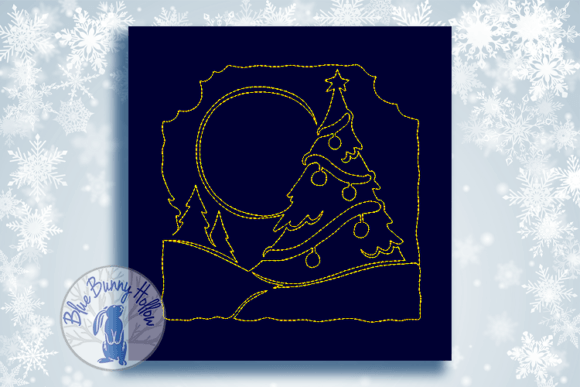
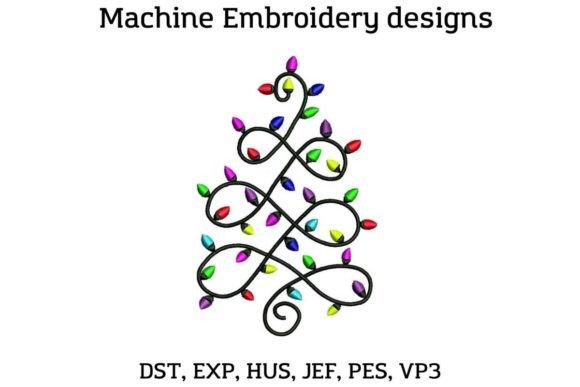
The moment I loaded the digital embroidery file into my software, the first thing that struck me was the fluidity of the lines. Unlike traditional geometric pine trees that rely on rigid zig-zag fills or blocky satin stitches, this design utilizes swirling motifs that evoke a sense of movement and whimsy. The mood is undeniably festive yet sophisticated. It feels less like a cartoonish decoration and more like a piece of winter art.
For those of us creating handmade products, aesthetic versatility is key. This design strikes a beautiful balance between playful and elegant. It is sweet enough for nursery items but refined enough for adult home decor. The swirls suggest wind, snow, and the magical energy of the season without being overly cluttered. When I stitched out the initial sample, the emotional appeal was immediate—it felt warm, inviting, and distinctly handmade. This is crucial for building an emotional connection with buyers who are tired of mass-produced holiday decor.
Versatility Across Product Lines
One of the strongest assets of the Christmas Tree, Swirl Christmas Tree is its adaptability. In my workshop, I tested it across several different substrates to see where it truly shines. Here is how it performed in various real-world scenarios:
- Baby Embroidery and Nursery Decor: The soft curves of the swirls make this design exceptionally suitable for baby items. I stitched it onto a muslin swaddle blanket, and the lack of harsh angles meant it complemented the gentle nature of infant textiles. It works beautifully for blanket embroidery where comfort is paramount.
- Kitchen and Home Textiles: An embroidered towel featuring this tree became an instant bestseller prototype. The design sits well on waffle weave and terry cloth, provided the stabilizer is chosen correctly. It also looks charming on aprons, adding a festive touch to holiday baking preparations.
- Wedding and Keepsake Gifts: While primarily a Christmas motif, the elegant swirl style can bridge into winter wedding themes. Imagine this stitched onto a pillow cover for a newlywed couple’s first holiday together. It serves as a timeless keepsake rather than a trendy item that will feel dated next year.
- Apparel and Totes: For custom embroidery on tote bags or sweatshirts, the design holds its shape well. It provides a focal point that is large enough to be seen from a distance but detailed enough to reward closer inspection.
Technical Considerations for Professional Results
While the design is visually stunning, successful execution requires attention to technical details. As professionals, we know that a beautiful embroidery file can still result in a poor product if the setup is incorrect. Here are the critical factors I evaluated during my testing phase.
Fabric Texture and Stabilizer Selection
The performance of the swirls depends heavily on fabric texture. On smooth cotton or linen, the stitches lay flat and crisp. However, when I moved to textured towels or fuzzy fleece, the finer details of the swirls risked getting lost. To combat this, I recommend using a cut-away stabilizer for stretchy fabrics like t-shirts and baby clothes to prevent distortion. For woven home decor items like pillow covers, a tear-away stabilizer usually suffices, but always test on scrap fabric first. The goal is to ensure the stitch density does not pucker the material, especially since swirls can pull fabric in multiple directions.
Thread Color and Contrast
Color choice can make or break this design. Because the tree is composed of continuous swirling lines, high contrast is essential for visibility. I found that classic reds and greens worked well, but metallic threads added a luxurious touch that increased the perceived value of the finished product. When stitching on dark fabric, ensure your thread colors pop. A printable mockup can help you visualize this before you commit to stitching, but nothing replaces a physical test stitch. Always check how the thread sheen interacts with the fabric under different lighting conditions, as this affects product photography significantly.
Hoop Size and Placement
Before purchasing or downloading, you must confirm the available hoop size options. This design likely comes in multiple sizes to fit various hoops, from small 4x4 inches for ornaments to larger 5x7 or 6x10 inches for towels and pillows. Ensure you select the size that matches your machine’s capabilities. Additionally, consider the placement carefully. On curved surfaces like mug hugs or rounded pillow edges, the design may distort if not hooped perfectly straight. Take your time to square up the fabric, as the asymmetrical nature of swirls makes any tilt immediately noticeable.
Enhancing Giftability and Customer Trust
From a business perspective, the Christmas Tree, Swirl Christmas Tree is a powerful tool for increasing sales. Customers are drawn to items that feel personal and thoughtful. A simple monogram is nice, but a thematic design like this tells a story. It transforms a plain towel or blanket into a cherished holiday tradition.
For small shop products, this design helps differentiate your brand. It signals that you care about detail and quality. When customers see the intricate swirl work, they perceive higher value, which can justify a higher price point. Furthermore, using such a distinct design aids in marketing. It photographs beautifully, leading to better engagement on social media and higher click-through rates for Etsy sellers. The visual appeal encourages shares and saves, expanding your reach organically.
Final Verdict and Best Practices
In conclusion, the Christmas Tree, Swirl Christmas Tree is a versatile and emotionally resonant addition to any holiday catalog. It bridges the gap between cute and classy, making it suitable for a wide demographic, from new parents to homeowners looking for elegant decor. However, success lies in the execution.
Always remember to check the specific license terms regarding commercial embroidery rights before selling finished goods. Verify the stitch count and file formats compatible with your machine. Test on various fabrics to understand how the stabilizer interacts with different textures. By paying attention to these details, you can ensure that every item you produce meets the high standards your customers expect.
If you are looking to refresh your holiday offerings with a design that feels both modern and timeless, this swirl tree is worth considering. It invites creativity, allowing you to experiment with thread colors and placements to create unique, memorable gifts that celebrate the spirit of the season.