Vintage Lady Hubby Christmas Tree Design Review
As an embroidery designer who has spent years digitizing and reviewing files for commercial use, I approach every new machine embroidery design with a critical eye. It is not enough for a pattern to look pretty on a screen; it must perform under the needle, withstand washing, and elevate the brand it represents. Recently, I evaluated the Vintage Lady Hubby Christmas Tree design, and I want to share my professional assessment for small business owners, apparel decorators, and handmade brands considering this asset for their holiday collections.
First Impressions: Capturing Vintage Charm
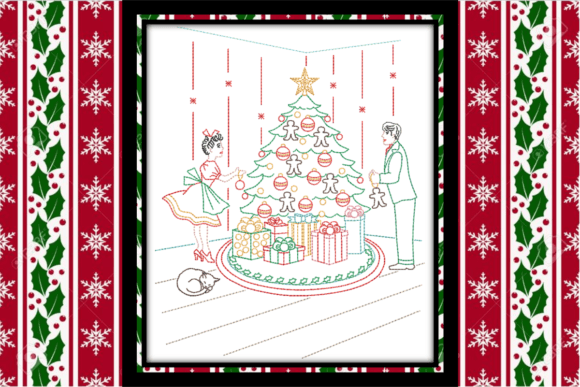
The immediate appeal of the Vintage Lady Hubby Christmas Tree lies in its narrative quality. The description notes that the wife and husband are preparing for an old-fashioned, vintage Christmas, evoking a sense of family togetherness and era-specific charm. Visually, this translates into a design that feels warm, nostalgic, and deeply human. For businesses selling handmade products or curated boutique goods, this emotional connection is invaluable.
The design utilizes redwork, a traditional embroidery style that relies on single-color stitching, typically red, to create outline-based imagery. This choice is significant for production. Redwork is often cleaner and faster to stitch than full-fill designs, reducing thread breaks and production time. However, it demands precision. Without the coverage of satin stitches or fill patterns, every line must be smooth, and every corner sharp. In my review, the aesthetic strikes a balance between playful and elegant, making it suitable for brands that want to project a friendly, rustic, yet premium image.
Commercial Viability for Small Business Merch
When integrating a new digital embroidery file into your product line, versatility is key. Here is how the Vintage Lady Hubby Christmas Tree performs across various commercial applications:
- Embroidered Patches: This is perhaps the strongest use case. The redwork style translates beautifully to patch manufacturing. Because the design relies on outlines, it can be produced as a woven patch or an embroidered patch with a clean merrowed edge. It serves as an excellent collectible item for customers who want a tangible piece of holiday spirit without committing to a full garment.
- Apron Embroidery: For bakeries, florists, and coffee shops, staff uniforms are walking billboards. Placing this design on the chest or lower corner of a canvas apron adds a touch of seasonal warmth. The vintage theme aligns perfectly with artisanal brands that value tradition and craft.
- Tote Bag Design: Canvas tote bags are a staple for retail packaging and merchandise. The simplicity of the redwork ensures the design does not become bulky or stiff, preserving the drape and utility of the bag. It acts as a subtle brand accent rather than an overpowering graphic.
- Cap Embroidery: Using this on headwear requires caution due to the curved surface. However, if the design elements are spaced correctly, it can work as a side-panel detail or a small front-center accent, appealing to customers looking for festive, low-key accessories.
Strategic Placement and Brand Identity
Your brand identity is built on consistency and recognition. The Vintage Lady Hubby Christmas Tree supports this by offering a distinct visual language that differs from the generic snowflakes and Santa Claus motifs flooding the market during the holidays. By choosing a design that emphasizes "togetherness" and "charm," you signal to your customers that your brand values connection and heritage.
For Etsy sellers and craft businesses, using this design on custom apparel or home decor items can increase perceived value. A plain towel becomes a heirloom-quality piece; a simple shirt becomes a conversation starter. The design encourages buyer engagement because it tells a story. When customers see the husband and wife preparing for Christmas, they project their own family traditions onto the product, creating a deeper emotional bond with your small business merch.
Technical Considerations for Production
While the aesthetic is strong, successful execution depends on technical precision. As a designer, I advise paying close attention to the following factors before running a large batch:
- Stitch Density and Fabric Texture: Redwork designs have lower stitch density than fill designs. This is advantageous for lightweight fabrics but requires careful stabilizer selection. On textured fabrics like terry cloth or heavy denim, ensure the lines are thick enough to remain visible and do not get lost in the fabric pile.
- Thread Colors: Since this is a redwork design, thread color contrast is paramount. Traditional red on white or cream is classic, but consider testing deep green or navy for a more modern twist. Ensure your thread quality is high to prevent shading inconsistencies, which are more noticeable in outline work.
- Hoop Size and Scaling: Check the available hoop size options for the file. If you plan to use this on small items like pocket squares or baby clothes, verify that the design retains its clarity when scaled down. Fine details in the couple’s clothing or the tree branches may merge if the design is too small.
- Dark Uniforms: If applying this to dark-colored staff uniforms, you will need to adjust the thread color or add an underlay. Redwork on black fabric can disappear if not properly digitized with adequate underlay stitches to lift the top thread.
Practical Designer Notes for Implementation
Before adding the Vintage Lady Hubby Christmas Tree to your catalog, follow these practical steps to ensure a professional finished product:
- Test in Black and White: Print or stitch a monochrome version first. This helps you evaluate the spacing and flow of the lines without the distraction of color. If it looks good in black and white, it will look great in color.
- Create a Printable Mockup: Use a printable mockup to visualize the design on different products. This helps in marketing materials and allows clients to approve the placement before you begin production.
- Check Commercial Licensing: Always confirm the license terms associated with the embroidery file. Ensure you have the right to use it for commercial commercial embroidery projects, especially if you are selling the physical items rather than just the digital file.
- Inspect Spacing: Look closely at the gap between the figures and the tree. Ensure there is enough breathing room so that the design does not look cluttered. Good spacing contributes to a premium, uncluttered look.
- Verify File Details: The product description mentions redwork but does not specify exact stitch counts or file formats. Before purchase, check if the file includes the formats compatible with your machines (such as PES, DST, or JEF) and review the stitch count to estimate production time accurately.
Final Verdict
The Vintage Lady Hubby Christmas Tree is a compelling addition to any holiday-themed design assets library. It moves beyond generic seasonal decor to offer a narrative-driven image that resonates with families and tradition-loving consumers. For small business owners, it offers versatility across patches, apparel, and home goods, provided that technical considerations regarding fabric texture and scaling are respected.
By treating this design not just as decoration but as a strategic brand element, you can enhance customer trust and product value. Whether used on a barista’s apron or a boutique’s gift tote, this design brings the warmth of an old-fashioned Christmas to life, one stitch at a time. Remember to test thoroughly, choose your stabilizers wisely, and let the vintage charm of the design speak for your brand’s commitment to quality and tradition.