Wheat Vine: A Designer’s Review for Branded Merch
As an embroidery designer who has spent years digitizing and testing files for commercial use, I approach every new machine embroidery design with a critical eye. It is not just about whether the artwork looks pretty on a screen; it is about how it performs under the needle, how it holds up after washing, and most importantly, how it serves the brand identity of the small business owner using it. Recently, I reviewed Wheat Vine, a floral-themed piece that promises versatility across various fabrics. For boutique owners, Etsy sellers, and local businesses looking to elevate their branded merchandise, this design warrants a closer look.
First Impressions: Rustic Elegance Meets Commercial Viability
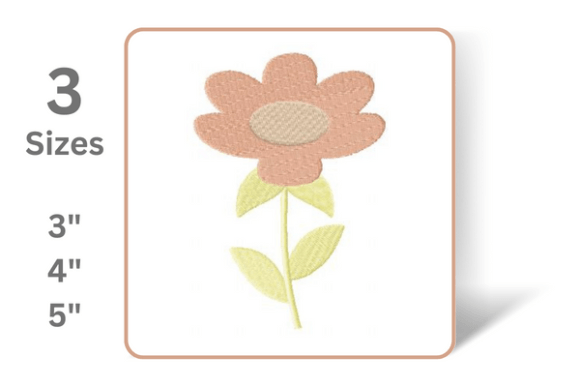
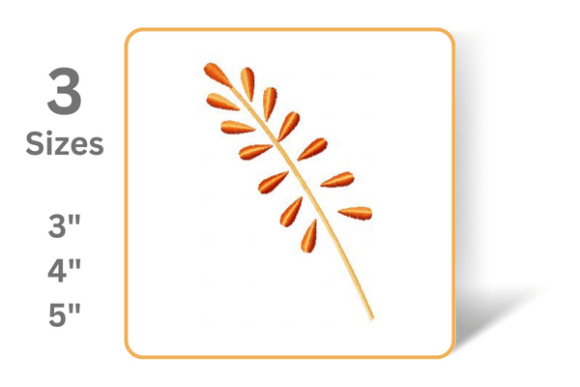
The first thing that strikes me about Wheat Vine is its aesthetic balance. The title suggests a natural, organic motif, and the description confirms it is a "lovely flower embroidery" suitable for a colorful look. In the current market, there is a massive demand for designs that feel handmade yet professional. This piece leans into that rustic, artisanal vibe without appearing amateurish. It feels friendly and approachable, which is ideal for businesses like bakeries, florists, pet brands, or creative studios that want to project warmth and authenticity.
Unlike bold, corporate logos that rely on sharp geometric lines, Wheat Vine offers a softer touch. This makes it an excellent candidate for lifestyle brands where customer trust is built on personal connection rather than corporate authority. However, as a designer, I immediately question its scalability. Floral designs can sometimes lose definition when scaled down, so understanding its limits is crucial before committing to a large production run.
Real-World Applications for Small Business Merch
When evaluating a digital embroidery file for commercial use, I mentally place it on various products to test its versatility. Here is how Wheat Vine performs in real-world scenarios:
- Embroidered Patches: This is perhaps the strongest use case. A wheat vine motif works beautifully as an iron-on or sew-on patch for tote bags and denim jackets. It allows customers to add a touch of nature-inspired flair to their existing wardrobe, increasing the perceived value of the handmade product.
- Apron Embroidery: For cafes and bakeries, staff uniforms are walking billboards. Placing Wheat Vine on the chest pocket or lower corner of a canvas apron adds a subtle branding element that feels premium rather than promotional.
- Tote Bag Design: Canvas totes are staples for boutiques. The organic lines of the vine complement the texture of natural fibers, creating a cohesive look that appeals to eco-conscious consumers.
- Cap Embroidery: While possible, this requires caution. The curved surface of a cap front can distort detailed floral elements. If used here, it should be simplified or placed on the side panel rather than the center front to maintain clarity.
For Etsy sellers and crafters, this design can serve as a key asset in a broader collection of design assets. It pairs well with minimalist text logos, acting as a decorative accent that softens the overall visual presentation of custom apparel.
Navigating Technical Challenges and Fabric Constraints
While the aesthetic appeal is high, the technical execution of Wheat Vine requires careful planning. The description states it can be embroidered on "any fabric you like to work with," but experienced embroiderers know that fabric choice dramatically impacts the finished product.
Stitch density is a primary concern. Floral designs often utilize satin stitches for petals and leaves. If the density is too high on lightweight fabrics like silk or thin cotton, the material may pucker or tear. Conversely, on heavy textures like terry cloth towels, fine details might get lost. I strongly advise running test stitches on your specific fabric batch before full production.
Another critical factor is the stabilizer. For items that undergo frequent washing, such as kitchen towels or staff uniforms, using a cut-away stabilizer is non-negotiable to prevent distortion over time. Additionally, consider the thread colors. While the design is described as "colorful," ensure you have a consistent color palette that aligns with your brand identity. A mismatched thread color can make even the best design look cheap.
Where to Use Caution
There are specific scenarios where Wheat Vine might not be the best choice. Avoid using it for tiny lettering integration if the vine details are intricate, as they may merge visually at small sizes. Also, be cautious with dark uniforms if the design relies on light pastel threads; visibility issues can arise if the contrast is not sufficient. Always create a printable mockup to visualize the contrast before stitching.
Enhancing Brand Identity and Customer Engagement
Ultimately, the goal of using Wheat Vine is to enhance brand recognition. A well-executed embroidery design signals quality. When a customer receives a tote bag or shirt with crisp, clean stitching, it reinforces the professionalism of your business. It transforms a simple item into a keepsake.
For small business owners, consistency is key. If Wheat Vine becomes part of your visual language, use it consistently across your small business merch. Whether it is on packaging accents, employee badges, or customer gifts, this repetition builds familiarity. It tells your audience that you pay attention to details, which fosters trust and loyalty.
Practical Designer Notes for Production
Before you purchase or download this embroidery file for your next project, follow these practical steps to ensure success:
- Test in Black and White: Before committing to colorful threads, stitch the design in black thread on white fabric. This reveals the true structure and spacing of the stitches without the distraction of color.
- Check Scalability: Verify if the design holds its integrity at smaller sizes, such as for a chest logo or patch. If details blur, consider simplifying the design or increasing the size.
- Confirm Hoop Size: Ensure the design fits within your machine’s hoop capabilities. The description does not specify exact dimensions, so check the file details carefully to avoid resizing errors that distort aspect ratios.
- Review Licensing: Always confirm the commercial licensing terms. Ensure you have the right to use the design for commercial embroidery projects, especially if you are selling the finished products.
- Create Client Mockups: If you are working with clients, provide a digital mockup showing Wheat Vine on their specific garment. This manages expectations and reduces the risk of dissatisfaction with the final placement.
In conclusion, Wheat Vine is a promising addition to any embroidery designer’s library, particularly for those serving lifestyle and artisanal markets. Its strength lies in its ability to convey warmth and quality through natural motifs. By paying attention to technical details like stabilizer choice, fabric texture, and stitch density, you can leverage this design to create high-value, branded merchandise that resonates with customers. Remember, the best embroidery is not just seen; it is felt in the quality of the finish and the pride it brings to the wearer.