Old Castle with Palm Tree: A Designer’s Review
As an embroidery designer who has spent countless hours behind the hoop and even more weekends standing behind a craft fair table, I look at every new machine embroidery design through a very specific lens. It is not just about whether the art looks pretty on a screen; it is about whether it will stop a shopper in their tracks, whether it stitches out cleanly on a busy Saturday morning production run, and whether it adds perceived value to the finished product. Today, I am reviewing Old Castle with Palm Tree, a design that sits intriguingly within the Fairy Tales category, to see if it holds up under the scrutiny of real-world selling.
First Impressions: Whimsy Meets Structure
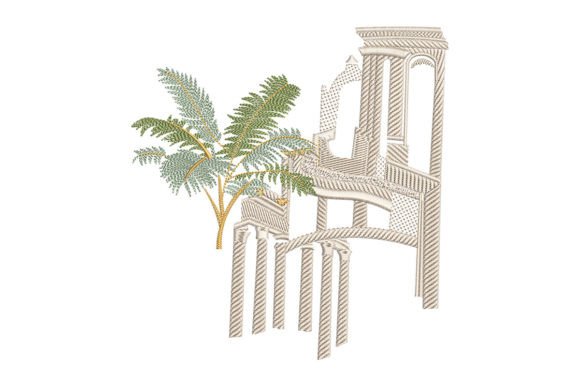
The first thing that strikes me about Old Castle with Palm Tree is its unique juxtaposition. Castles often evoke medieval Europe or cold stone fortresses, while palm trees suggest tropical warmth and leisure. This combination creates a narrative curiosity. Is it a fantasy kingdom? A vacation memory? This duality makes the design feel both decorative and slightly whimsical. For a craft fair product, this is advantageous because it does not fit neatly into one box. It appeals to the dreamer who loves fairy tales but also to the traveler who appreciates iconic landmarks.
The description notes "intricate details" and an "easy stitching process." In my experience, these two claims must be balanced carefully. Intricate details can sometimes mean high stitch density, which risks puckering lightweight fabrics. However, if the digitizer has optimized the pathing correctly, the result should be a crisp, clean image that reads well from a distance. Visually, the design feels premium rather than cartoonish, which allows it to bridge the gap between cute handmade items and elegant home décor.
Product Potential: Where This Design Shines
When planning my booth inventory, I always categorize designs by their best surface application. Old Castle with Palm Tree is versatile, but it performs exceptionally well on specific handmade product types.
- Tote Bags and Market Bags: This is arguably the strongest candidate for this design. A canvas tote provides a large, flat surface that showcases the intricate details without distortion. As a tote bag design, it transforms a generic bag into a statement piece. Customers love bags that tell a story, and this design offers enough visual interest to justify a higher price point.
- Tea Towels and Kitchen Linens: For tea towel embroidery, placement is key. The design works beautifully as a central focal point on a flour sack towel. The contrast of the castle structure against the soft fabric texture creates a lovely tactile experience. However, one must ensure the stabilizer is appropriate for waffle-weave or thin cotton to prevent pull-out.
- Aprons: An apron embroidery project using this motif adds a touch of whimsy to kitchen wear. Placing the castle near the pocket or across the bib creates a charming, cottage-core aesthetic that is currently trending among Etsy buyers.
- Pillow Covers: On home décor items like pillow covers, the design acts as a sophisticated accent. It moves beyond simple geometric patterns and offers a scene that invites closer inspection.
Challenges with Smaller Applications
While the design is stunning on larger items, I would exercise caution when applying it to smaller goods like embroidered patches or caps. The "intricate details" mentioned in the product description may lose clarity if scaled down too far. On a curved cap surface, the width of the castle might cause registration issues or fabric distortion. If you intend to use this as a patch, I recommend testing a smaller version on scrap fabric first to ensure the fine lines of the palm fronds and castle turrets do not merge into a solid block of thread.
Production Practicality for the Small Shop Owner
For the Etsy seller or boutique maker, time is money. The claim of an "easy stitching process" is vital here. If this digital embroidery file runs efficiently without excessive jumps or trims, it becomes a viable option for batch production. I always advise checking the stitch count and estimated run time before committing to a large order. A design that takes forty minutes to stitch is very different from one that takes four hours.
Another critical factor is thread colors. This design likely requires a nuanced palette to differentiate the stone of the castle from the greenery of the palm tree. When producing for a craft fair, consistency is key. You must ensure your thread brands match the digitizer’s color map, or be prepared to manually adjust the sequence. Poor color contrast can make the design look muddy, especially on darker fabrics. If you plan to offer this on dark garments, consider adding a white underlay or choosing a version of the design specifically digitized for darks.
Visual Appeal and Customer Engagement
In a crowded market aisle, visual appeal determines whether a customer stops at your table. Old Castle with Palm Tree has strong silhouette recognition. Even from ten feet away, the shape of the castle and the arch of the palm are distinct. This immediate recognizability helps in creating effective printable mockup images for your online listings. A clear, bold design photographs better than subtle, low-contrast work, leading to higher click-through rates on digital platforms.
Furthermore, this design supports brand consistency for shops focused on storytelling or fantasy themes. It fits seamlessly into a Fairy Tales collection but stands alone as a travel-inspired motif. This flexibility allows you to market it to multiple audiences: the parent buying a gift for a child who loves stories, and the adult looking for unique home décor.
Designer Notes: Before You Stitch
Before you load this embroidery file into your machine for commercial production, follow these essential steps to ensure quality:
- Test on Scrap Fabric: Always stitch a test sample on the exact fabric type you intend to sell. Check for puckering, especially if the stitch density is high in the castle walls.
- Check Stabilizer Compatibility: Use the right stabilizer for your fabric weight. Cut-away stabilizer is often best for stretchy fabrics like tote bags, while tear-away may suffice for woven tea towels.
- Verify Hoop Size: Confirm the required hoop size matches your machine’s capabilities. Do not attempt to resize the design beyond recommended limits, as this can distort the aspect ratio and ruin the intricate details.
- Review Licensing: Ensure you have the correct commercial license for the design assets. Most designers allow finished product sales, but restrictions on sharing the digital file itself are standard.
- Create Real Mockups: Photograph the stitched item in natural light. Digital mockups are useful, but photos of the actual texture and sheen of the threads build trust with buyers.
In conclusion, Old Castle with Palm Tree is a compelling addition to any embroidery designer’s library. It balances artistic intricacy with practical application, offering a unique aesthetic that stands out in the saturated market of handmade goods. By understanding its strengths on larger surfaces like totes and towels, and respecting its limitations on smaller items, you can leverage this design to create high-value products that resonate with customers. Whether you are a seasoned commercial embroidery professional or a weekend warrior at the local fair, this design offers the narrative depth and visual impact needed to drive sales.