Pine Trees: A Designer’s Review for Custom Gifts
As an embroidery designer who has spent years testing digital files for real-world application, I approach every new machine embroidery design with a critical eye. It is not enough for a pattern to look good on a screen; it must translate beautifully onto fabric, withstand washing, and evoke the right emotional response from the recipient. Recently, I downloaded the Pine Trees design to test its viability for my personalized gift shop. This review details my experience stitching this Forest-themed piece, offering practical insights for fellow crafters, Etsy sellers, and small business owners looking to expand their product lines.
First Impressions: Rustic Elegance Meets Nature
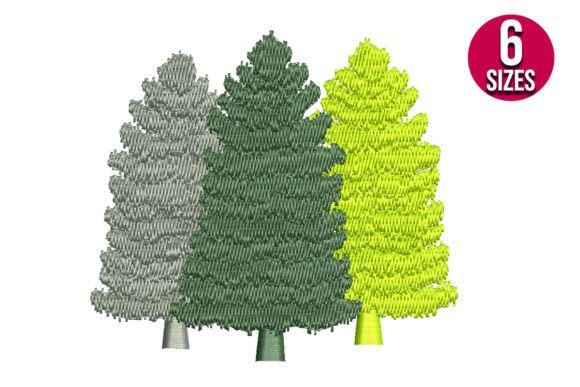
The moment I opened the preview of Pine Trees, I was struck by its serene mood. The design features intricate, lifelike conifers rendered in varying shades of green. Unlike some overly cartoonish nature motifs, this design leans toward rustic elegance. It feels classic yet modern, making it versatile for a wide demographic. For nature enthusiasts, the attention to detail in the needlework suggests a high-quality handmade product rather than a mass-produced item. The charm lies in its simplicity; it does not overwhelm the fabric but rather enhances it, adding a touch of woodland tranquility to any textile project.
From a design perspective, the variation in green tones is crucial. Flat, single-color trees can look stiff, but the shading here provides depth. However, as with any detailed embroidery file, the success of the final look depends heavily on thread selection and fabric choice. I immediately began planning which projects would best showcase these nuanced colors.
Versatility in Personalized Gift Products
The true test of any design is its adaptability. I evaluated Pine Trees across several popular categories for custom orders. Here is how it performs in different applications:
- Baby Embroidery and Nursery Decor: For baby blankets and nursery items, the soft greens are calming and gender-neutral. I stitched the design onto a muslin swaddle, and the result was sweet and understated. It works beautifully for baby embroidery projects where parents want a connection to nature without loud, primary colors.
- Kitchen and Home Textiles: An embroidered towel or apron featuring these pine trees makes for a charming housewarming gift. The rustic vibe pairs perfectly with linen or cotton blends. I also tested it on a pillow cover, where the design served as a focal point against a neutral background, creating a cozy, cabin-like aesthetic.
- Wedding and Keepsake Gifts: While not traditionally romantic, the timeless quality of pine trees makes them suitable for wedding gifts, particularly for couples who love the outdoors. Imagine a wedding gift such as a custom tote bag or a blanket embroidered with the couple’s initials intertwined with the forest motif. It adds a layer of personalization that feels thoughtful and unique.
- Etsy Listings and Craft Fairs: For the Etsy seller, visual appeal is everything. Pine Trees photographs exceptionally well. The texture of the stitches catches the light, creating depth in product photos. Whether used on a tote bag or a wall hanging, it helps create a cohesive brand identity for shops specializing in organic or eco-friendly goods.
Technical Considerations for Stitching Success
While the design is beautiful, technical execution is paramount. During my testing phase, I encountered several factors that other embroiderers should consider before launching this as a small shop product.
Fabric Texture and Stabilizer Choice
The fabric texture plays a significant role in how the intricate details of the conifers appear. On smooth, high-thread-count cotton, the definition was crisp. However, on textured linen or thick terry cloth towels, some of the finer details risked getting lost. To combat this, I highly recommend using a cut-away stabilizer for garments that will be washed frequently, such as baby clothes or kitchen towels. For stable fabrics like canvas tote bags, a tear-away stabilizer may suffice, but always test on scrap fabric first.
Thread Colors and Contrast
The design relies on varying shades of green. If you are stitching on dark fabric, such as navy or charcoal, you must ensure your thread colors have enough contrast. I found that using a lighter sage or mint green for the highlights helped the design pop against darker backgrounds. Conversely, on white or cream fabrics, deeper forest greens provided the necessary definition. Always compare light and dark fabric mockups before committing to a large batch of custom embroidery orders.
Hoop Size and Stitch Density
Before purchasing or downloading, check the available hoop size options. Ensure the design fits comfortably within your machine’s maximum hoop area, leaving room for hooping margins. Additionally, review the stitch density. High-density designs can cause puckering on lightweight fabrics like silk or thin cotton. If the design feels too dense for your chosen material, consider using a water-soluble topping to keep the stitches from sinking into the fabric pile, especially when working with towels or fleece for blanket embroidery.
Enhancing Giftability and Perceived Value
Why choose Pine Trees over a generic monogram? The answer lies in emotional connection. A personalized gift featuring this design tells a story. It appeals to customers who value sustainability, nature, and handmade quality. When a buyer sees a finished product with such detailed needlework, their trust in the artisan increases. The perceived value goes up because the design looks complex and professional, even if the stitching process was straightforward for the maker.
For digital product sellers, offering this as part of a bundle can increase engagement. Pair it with complementary designs or offer it as a standalone digital embroidery file for other makers. Providing a printable mockup in your listing helps buyers visualize the end result, whether it is on a shirt, a bag, or home decor. This reduces hesitation and boosts conversion rates.
Final Verdict for Commercial Use
In conclusion, Pine Trees is a strong contender for any embroidery business focused on nature-inspired goods. It bridges the gap between playful and sophisticated, making it suitable for everyone from new parents to outdoor-loving adults. However, success requires careful planning. Always confirm commercial licensing terms before selling finished products. Check the specific file formats provided to ensure compatibility with your machine. Test on various fabrics to understand how the Embroidery interacts with different textures.
By paying attention to thread contrast, stabilizer choice, and fabric suitability, you can transform this digital file into a cherished heirloom. Whether you are creating a custom tote for a farmer’s market or a delicate baby blanket, Pine Trees offers the rustic elegance needed to stand out in a crowded marketplace. Happy stitching!