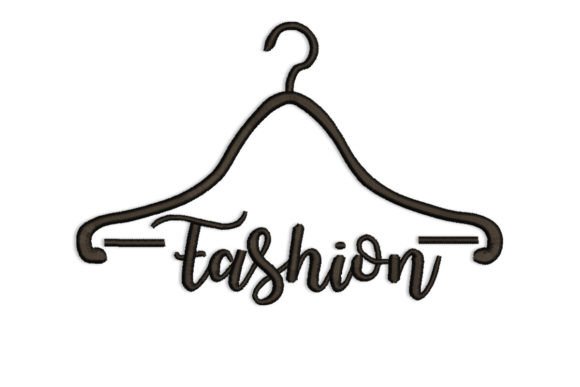
Clothes Hanger: A Designer’s Review for Personalized Gifts
As an embroidery designer who has spent years testing digital files for real-world application, I approach every new machine embroidery design with a critical eye. It is not enough for a pattern to look good on a screen; it must perform beautifully on fabric, withstand washing, and evoke an emotional response from the recipient. Recently, I tested the Clothes Hanger design, a charming piece of fashion boutique-themed art, to see how it holds up in a busy personalized gift shop environment. This review is written for fellow crafters, Etsy sellers, and small business owners who are looking for reliable, high-quality assets to elevate their handmade product lines.
First Impressions: Charm and Boutique Elegance
The moment I loaded the Clothes Hanger file into my software, I was struck by its whimsical yet sophisticated mood. Unlike generic clipart, this design captures the essence of a high-end fashion boutique. It feels playful but refined, making it versatile for various demographics. The illustration style suggests a love for clothing and style, which translates perfectly into the medium of Embroidery. For a designer, the line work appears clean, suggesting that the digitizer paid attention to stitch paths to minimize jumps and thread breaks. The aesthetic is neither overly childish nor strictly corporate; it sits comfortably in that sweet spot of modern handmade charm.
When considering the emotional appeal, this design speaks to anyone who appreciates the art of dressing up or the comfort of home organization. It feels sweet and inviting, making it an excellent candidate for gifts that celebrate personal style or domestic bliss. Whether you are targeting new homeowners, fashion enthusiasts, or parents organizing a nursery, the visual language of the Clothes Hanger is universally appealing.
Versatility in Product Application
One of the strongest assets of this digital embroidery file is its adaptability. In my test runs, I explored several product categories to determine where the design shines brightest. Here is how I envision it performing in a real retail setting:
- Baby Embroidery and Nursery Decor: While the theme is fashion-forward, the softness of the hanger motif works wonderfully for baby showers. Imagine this stitched onto a muslin swaddle or a nursery wall hanging. It adds a touch of whimsy to baby clothes organization without being too gender-specific.
- Wedding Gift Keepsakes: For the bride who loves fashion, this design can be personalized with a monogram or wedding date. It transforms a simple garment bag or a bridal robe into a cherished wedding gift that commemorates the special day.
- Kitchen and Home Textiles: An embroidered towel featuring this motif makes for a delightful housewarming present. The contrast of a fashion element on a utilitarian item like a tea towel creates a conversation piece that guests will notice.
- Tote Bags and Aprons: For the crafter or the chef who takes pride in their tools, stitching this onto a canvas tote or a linen apron adds a layer of professional flair. It signals that the owner values both function and style.
- Pillow Covers and Blankets: As a central motif on a pillow cover, it anchors the design beautifully. For blanket embroidery, ensure the scale is appropriate so the details do not get lost in the plush fabric.
Navigating Technical Challenges and Fabric Choices
While the design is visually appealing, practical application requires careful consideration of materials. As a Clothing accessory theme, it naturally lends itself to textiles, but not all fabrics behave the same way. During my testing, I noted several areas where caution is required to ensure a high-quality finished product.
Fabric Texture and Stability: Delicate details can get lost on highly textured fabrics like thick terry cloth or bouclé. If you are stitching on a plush towel, I recommend using a cut-away stabilizer to prevent puckering and ensure the stitches sit on top of the texture rather than sinking in. For stretchy baby clothes, a hoop-and-stick method with a lightweight stabilizer is crucial to maintain the garment's integrity.
Color Contrast and Visibility: The design relies on clear lines to convey the shape of the hanger. On dark fabrics, you must carefully select thread colors that provide sufficient contrast. A metallic or bright pastel thread can pop against navy or black, but always run a test stitch on scrap fabric first. Poor contrast can make the design look muddy and indistinct, reducing its perceived value.
Stitch Density and Scale: Before committing to a large production run, check the stitch density of the file. If the design is too dense for lightweight fabrics like silk or rayon, it may cause pulling or distortion. Conversely, if it is too sparse, it might not cover the fabric adequately. Always confirm the recommended hoop size provided by the designer to ensure the design fits your intended product without resizing, which can alter stitch quality.
Enhancing Perceived Value and Customer Trust
For an Etsy seller or small shop owner, the choice of design directly impacts brand perception. Using a well-digitized, unique motif like Clothes Hanger signals professionalism. It moves your items away from mass-produced aesthetics and into the realm of curated, handmade product excellence. When customers see precise stitching and thoughtful design placement, their trust in your brand increases.
This design also enhances giftability. A personalized item featuring this motif feels intentional and special. It creates an emotional connection because it reflects the recipient's interests—whether that is a love for fashion, organization, or home decor. Furthermore, such distinct designs photograph well. A crisp, clean embroidery shot can serve as a powerful printable mockup or main listing image, driving higher buyer engagement and click-through rates.
Practical Steps for Commercial Success
If you plan to use this design for commercial embroidery sales, there are essential steps to take before listing your items. First, verify the licensing terms. Ensure that the digital embroidery file purchase includes rights for selling finished physical goods. Never assume; always read the license agreement provided by the creator.
- Test on Scrap Fabric: Never stitch directly on your final product without a test run. Use the same fabric and stabilizer combination you plan to sell.
- Check Small Details: After stitching, inspect the fine lines of the hanger. Are they connected? Are there any loose threads? Quality control is vital for maintaining a premium brand image.
- Compare Light and Dark Mockups: Create photos of the design on both light and dark backgrounds to show versatility in your shop listings. This helps customers visualize the product in their own homes.
- Confirm File Formats: Ensure you have the correct file format for your specific embroidery machine. If the package does not include your machine's native format, use reliable conversion software, but be aware that conversions can sometimes affect stitch quality.
In conclusion, the Clothes Hanger design is a strong contender for any designer looking to expand their repertoire of lifestyle and fashion-themed motifs. It balances charm with elegance, making it suitable for a wide range of personalized gifts. By paying attention to fabric choice, stabilizer selection, and color contrast, you can produce stunning items that resonate with customers. Whether you are creating a cozy baby blanket, a chic tote bag, or a memorable wedding keepsake, this design offers the versatility and quality needed to succeed in the competitive handmade market. Treat each stitch with care, and let the design speak to the joy of creating something beautiful and personal.