Lovely Tulips: A Designer’s Review for Craft Fairs
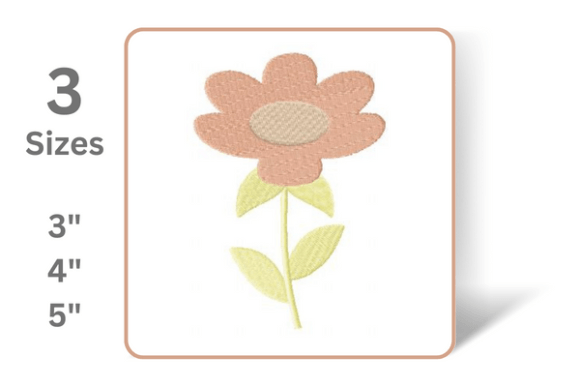
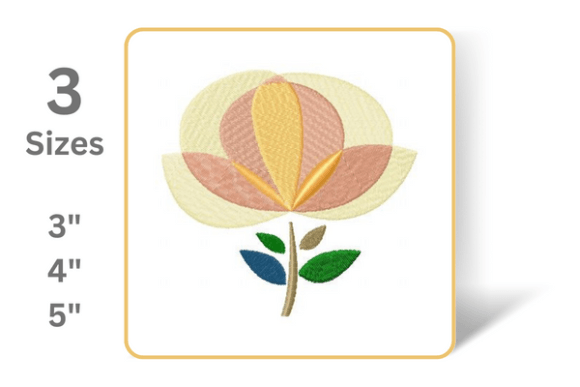
As an embroidery designer who has spent countless hours behind the hoop and even more time standing behind a craft fair table, I look at every new machine embroidery design through a very specific lens. It is not just about whether the stitches are clean; it is about whether the design will stop a passerby in their tracks. When I first loaded the Lovely Tulips file into my software, my immediate thought was about versatility. This is not a niche novelty item; it is a staple. In the world of Single Flowers, tulips hold a unique position. They are recognizable, universally loved, and carry a sense of springtime optimism that sells year-round.
First Impressions and Visual Appeal
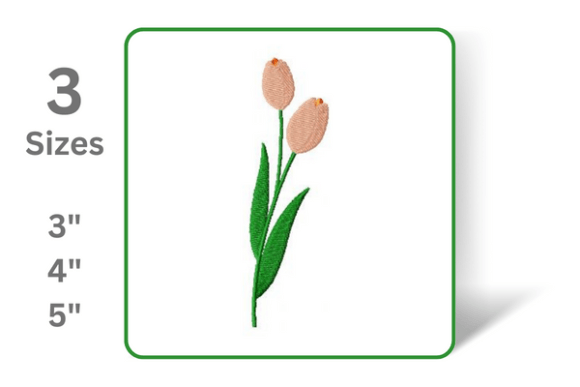
The title Lovely Tulips suggests a soft, approachable aesthetic, and the description confirms that this design is intended to add a colorful look to various items. From a visual standpoint, this matters immensely for a craft fair product. Customers at handmade markets are often looking for items that feel cheerful and welcoming. A tulip design does not need to explain itself. Unlike abstract art or complex scenes, a flower is instant communication. It says "home," "gift," and "care" all at once.
When evaluating the embroidery file for production, I look for balance. Does the design feel top-heavy? Is it too dense? For Lovely Tulips, the promise that it can be embroidered on any fabric suggests a moderate stitch density. This is crucial. If the design were too dense, it would pucker lightweight cottons or tear delicate linens. If it were too sparse, it would lack presence on thick towels. The ideal scenario here is a design that sits comfortably on medium-weight fabrics without requiring excessive stabilization tricks.
Strategic Product Placement for Maximum Sales
Where does Lovely Tulips shine brightest? Based on the description, this design is a chameleon. However, not all products yield the same profit margin or customer engagement. Here is how I would deploy this design in a real-world booth setting.
- Tote Bag Design: This is arguably the strongest candidate. A large tote with a central floral motif is a high-visibility item. When a customer walks away with your bag, they become a walking billboard. The Lovely Tulips design, being a single flower focus, allows for a large scale without becoming cluttered. It works beautifully as a focal point on canvas or cotton totes.
- Tea Towel Embroidery: Kitchen textiles are impulse buys. A set of two tea towels with a small tulip accent in the corner or a larger bloom near the hem creates an instant handmade product feel. The key here is thread contrast. On white linen, vibrant greens and reds or yellows pop effectively.
- Apron Embroidery: Gardeners and cooks love personalized aprons. Placing the tulip over the pocket area adds a touch of whimsy. It transforms a utilitarian item into a gift-worthy piece.
- Embroidered Patch: If the design holds up at smaller sizes, turning it into an iron-on or sew-on patch is a brilliant move for Etsy seller strategies. Patches allow customers to customize their own jackets or bags, expanding your market reach.
Production Practicalities and Batch Efficiency
For those of us running a small shop product line, time is money. The description notes that this is a wonderful design for any fabric, which implies reliability. When preparing for a weekend market, I need designs that are repeatable. I do not want to spend twenty minutes trimming jump stitches or fixing tension issues on every single item. Lovely Tulips appears to be designed for efficiency. A single flower motif typically means fewer color changes than a complex bouquet, which reduces machine runtime and thread waste.
Photography is another critical factor. This design must photograph well for online listings. A clean, bold flower shape translates perfectly to digital images. It creates a strong silhouette that is easy to see even in thumbnail views on mobile devices. Creating a printable mockup or using digital design assets to show the tulip on different backgrounds can help visualize the end result before stitching a single thread.
Careful-Use Notes and Technical Considerations
While the description is enthusiastic, experienced makers know that "any fabric" comes with caveats. Here are the technical realities you must address before launching this as a commercial embroidery product.
First, consider fabric texture. The description mentions towels. Terry cloth is notorious for swallowing small details. If Lovely Tulips has fine lines or tiny leaves, they may disappear into the loops of a bath towel. In such cases, using a water-soluble topping is non-negotiable. Without it, the design loses clarity and looks messy.
Second, think about curved surfaces like caps. Embroidering on a structured cap requires careful hooping and often a different digitizing approach than flat fabric. If this design was not specifically digitized for caps, the curvature might distort the tulip shape. Always test on a scrap piece of the exact material you intend to sell.
Third, dark fabrics present a challenge. If you plan to stitch this on navy or black apparel, you must ensure the design includes underlay stitches that prevent the background fabric from peeking through. Additionally, you may need to adjust your thread colors to ensure they stand out against the dark background. A pastel tulip on black fabric might look washed out unless heavily saturated threads are used.
Enhancing Brand Consistency and Buyer Engagement
Using a consistent design element like Lovely Tulips across your product line strengthens your brand. If a customer sees the same high-quality tulip on a pillow, a tote, and a pouch, they begin to associate that specific aesthetic with your shop. This consistency builds trust. It signals that you are a professional digital embroidery file user who cares about quality control.
Furthermore, this design aids in booth display strength. A table full of varied items can look chaotic. Grouping products by a common theme—such as a "Tulip Collection"—creates a cohesive visual story. It invites customers to browse longer and potentially buy multiple items as a set. For example, offering a matching towel and oven mitt set featuring the same tulip design increases the perceived value and encourages higher ticket sales.
Final Designer Recommendations
Before you commit to mass production, follow these steps to ensure success:
- Test on Scrap Fabric: Never skip this step. Stitch the design on the exact fabric weight and type you plan to sell. Check for puckering or thread breaks.
- Check Thread Contrast: Ensure your chosen thread palette provides enough contrast against the fabric. Vibrant, natural colors usually work best for florals.
- Review Spacing and Hoop Size: Confirm that the design fits comfortably within your standard hoop size without needing excessive re-hooping for multi-position designs.
- Inspect Stitch Density: Feel the back of the sample. Is it too stiff? If so, consider using a lighter cut-away or tear-away stabilizer to maintain drape, especially for apparel.
- Create Real Mockups: Photograph the finished product in natural light. Use these images for your Etsy listings and social media promotion.
- Confirm Licensing: The description mentions adding the embroidery to various items, but always verify the specific license terms of the digital embroidery file provider. Ensure you have the right to sell the finished product commercially.
In conclusion, Lovely Tulips represents a solid investment for embroidery entrepreneurs. It bridges the gap between decorative home decor and wearable art. By understanding its strengths in visibility and versatility, and by respecting the technical limitations of different fabrics, you can turn this single flower design into a cornerstone of your craft fair inventory. It is simple, elegant, and undeniably sellable.