Flower and Bird: A Designer’s Review for Craft Fairs
As an embroidery designer who has spent countless weekends behind a booth table, I know that not every design translates into a bestseller. Some patterns look stunning on a screen but vanish in person, while others become the anchor of an entire product line. Today, I am reviewing Flower and Bird, a single flower machine embroidery design that promises versatility across various fabrics. My goal is to evaluate this piece not just as art, but as a viable craft fair product for handmade shop owners, Etsy sellers, and boutique makers.
First Impressions: Visual Appeal and Market Fit
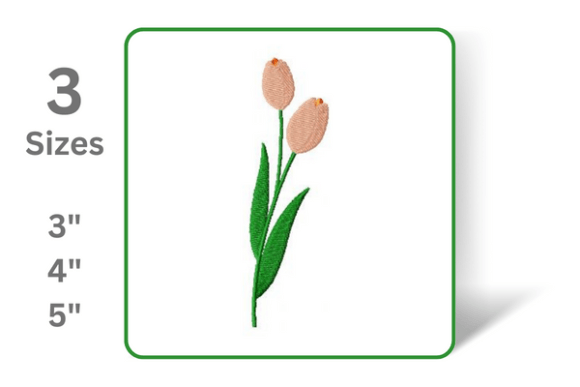
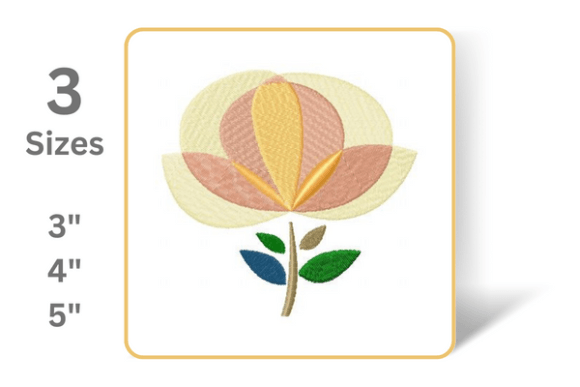
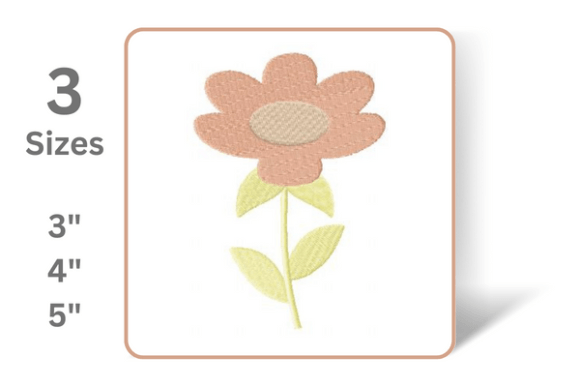
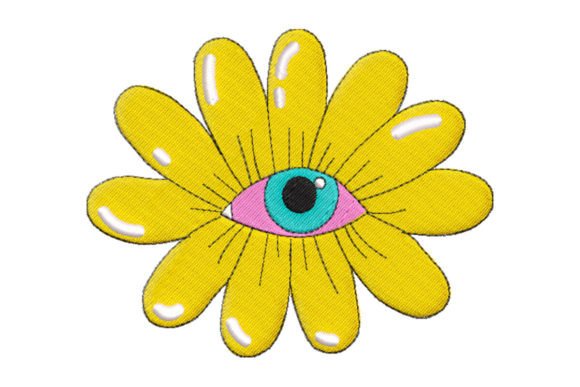
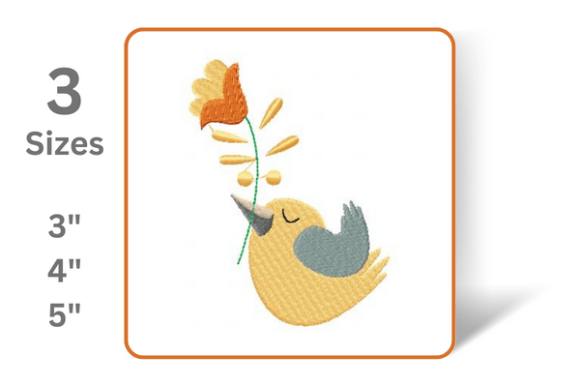
The title Flower and Bird suggests a harmonious blend of nature-inspired elements. In the context of Single Flowers embroidery, this combination often leans toward a whimsical, cottage-core, or rustic aesthetic. For a craft fair setting, this is gold. Shoppers at handmade markets are frequently drawn to items that feel organic, soft, and welcoming. If the design features clean lines and balanced composition, it can serve as a versatile asset for a wide range of demographics, from young adults looking for trendy tote bags to older customers seeking elegant home decor.
The description notes that this wonderful design can be beautifully embroidered on any fabric you like to work with. This claim of universality is exciting but requires careful scrutiny. A design that works on cotton may behave differently on textured towels or stretchy apparel. The promise of a colorful look suggests that thread color selection will play a pivotal role in the final success of the finished product.
Product Applications: Where Does It Shine?
To maximize sales, we must place Flower and Bird on products where it can be seen and appreciated. Here is how I envision this design performing in a real-world booth scenario:
- Tote Bag Design: A large version of this embroidery on a canvas tote is a staple craft fair product. The natural theme complements the eco-friendly vibe of reusable bags. Ensure the hoop size is large enough to make the bird and flower details visible from a few feet away.
- Apron Embroidery: Kitchen aprons are high-margin items. Placing the design on the bib or the lower corner adds a premium touch. Since aprons are often made of durable cotton or linen, the stitch density should be moderate to prevent puckering.
- Tea Towel Embroidery: This is a tricky surface. Textured waffle weave or terry cloth can swallow small details. If Flower and Bird has fine lines, it may lose clarity here. I recommend testing on flat-weave linen first. If it holds up, it becomes a perfect small shop product for gift sets.
- Embroidered Patch: Creating iron-on or sew-on patches allows customers to customize their own jackets or jeans. This extends the life of the digital embroidery file beyond ready-made goods.
- Pillow Covers and Home Decor: For home decor, the design acts as a focal point. A centered motif on a neutral pillow cover can elevate a simple item into a decorative statement piece.
Production Practicality for the Busy Maker
When preparing for a weekend market, efficiency is key. You need designs that are repeatable and reliable. Flower and Bird needs to be evaluated for its production speed and error rate. A complex design with high stitch density might take hours to complete, limiting your inventory. Conversely, a simpler design allows for batch production, enabling you to stock multiple colors and sizes.
Consider how the design photographs for online listings. An Etsy seller knows that lighting and texture sell the item. Does the design have enough contrast to pop in a photo? If the bird and flower blend too much with the fabric color, you will struggle to capture attention in thumbnail images. Using high-contrast thread colors against neutral fabrics can solve this, making the design assets more versatile for printable mockup creation.
Careful-Use Notes and Technical Considerations
While the description suggests universal application, experienced embroiderers know there are limitations. Here are critical factors to check before committing to a large production run:
- Fabric Texture: Thick or plush fabrics like terry cloth can obscure tiny details. If the bird has small eyes or delicate feathers, they may disappear. Always test on the actual material you plan to sell.
- Curved Surfaces: Embroidering on caps or curved pouches requires proper stabilization. If the design is wide, it may distort on a small cap front. Check the width against your standard cap hoop size.
- Dense Stitch Areas: High density can cause fabric to pucker or tear, especially on lightweight apparel. Review the stitch count and density settings in your software. If necessary, add underlay stitches or adjust tension.
- Dark Fabric: If you plan to offer this on black or navy items, ensure the design includes sufficient saturation. Light threads on dark fabric may require a top-layer coverage check to avoid seeing the fabric through the stitches.
Enhancing Brand Consistency and Buyer Engagement
A strong booth display relies on visual cohesion. If Flower and Bird fits your brand’s aesthetic—whether it is modern minimalism or rustic charm—it strengthens your brand identity. Customers are more likely to trust and buy from a seller who presents a curated collection. Using this design across multiple product types, such as matching tote bags and tea towels, creates a sense of completeness that encourages bundle purchases.
Furthermore, the emotional connection of nature-themed embroidery cannot be overstated. Birds and flowers evoke feelings of peace and nostalgia. This emotional resonance drives buyer engagement. When a customer picks up an embroidered item, they are not just buying a object; they are buying a feeling. Ensure your display highlights this by pairing the embroidered goods with natural elements like dried flowers or wooden accents.
Designer’s Checklist Before Production
Before you load this commercial embroidery file into your machine for a full batch, follow these steps to ensure quality:
- Test on Scrap Fabric: Never skip the test stitch. Use the exact fabric and stabilizer you intend to use for the final product.
- Check Thread Contrast: Verify that your chosen thread colors provide enough distinction between the bird and the flower.
- Review Spacing and Hoop Size: Confirm that the design fits comfortably within your hoop without hitting the edges, allowing room for re-hooping if necessary.
- Inspect Stitch Density: Look for areas that are too dense or too sparse. Adjust if needed to prevent fabric distortion.
- Create a Real Mockup: Photograph the stitched sample on the actual product. Use this image for your Etsy listings and social media promotion.
- Confirm Licensing: Although this is a digital embroidery file, always double-check the license terms. Ensure you have the right to sell finished products commercially, especially if you are a small shop product creator.
In conclusion, Flower and Bird has the potential to be a standout item in your craft fair lineup. Its versatility across pillows, towels, and apparel makes it a valuable addition to your design assets. However, success lies in the details. By carefully selecting fabrics, optimizing thread colors, and understanding the technical requirements of different surfaces, you can transform this single flower embroidery into a profitable and visually stunning product line. Remember, the best designs are those that not only look good but also withstand the rigors of production and captivate the hearts of your customers.