Farm Animals: A Designer’s Review of the Lama Design
As an embroidery designer who spends countless hours digitizing and testing patterns, I approach every new download with a critical eye. We all know that not every machine embroidery design found online translates well from screen to fabric. Recently, I explored the Farm Animals collection on Creative Fabrica, specifically focusing on the Lama embroidery design. For those of us running small businesses or creating handmade gifts, finding reliable, high-quality assets is crucial. This review breaks down my experience evaluating this design for real-world application, from initial impression to final stitch-out.
First Impressions: Visual Mood and Stitching Personality
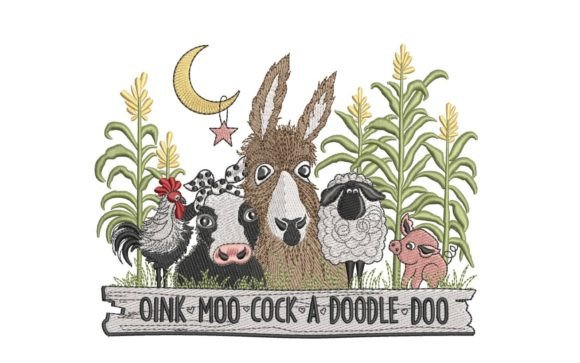
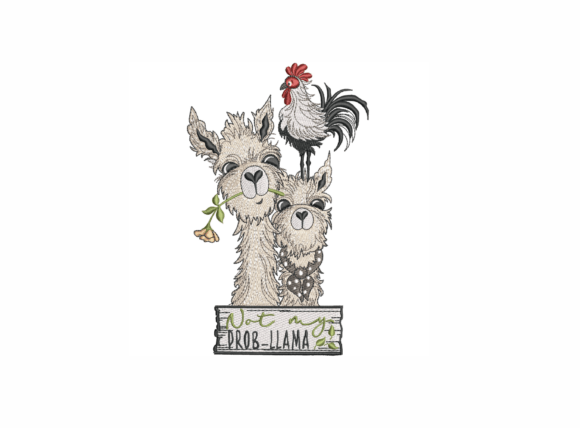
The first thing that struck me about the Lama design within the Farm Animals category was its charming, rustic aesthetic. It captures the whimsical nature of farm life without being overly cartoonish, which makes it versatile for various demographics. The visual mood is warm and inviting, perfect for spring collections or nursery-themed projects.
From a technical standpoint, the stitching personality appears balanced. The design utilizes a mix of satin stitch for outlines and finer details, combined with fill stitch areas to give the llama body and texture. This combination is essential for creating depth. A flat design often looks cheap on finished products, but the layering here suggests a professional finish. The decorative appeal lies in its simplicity; it is detailed enough to be interesting but not so complex that it becomes a nightmare to hoop or stitch out on smaller machines.
Real-World Application: Where This Design Shines
When I consider a new digital embroidery file, I immediately brainstorm where it can be sold or used. The Lama design from the Farm Animals set is incredibly adaptable. Here is how I envision it performing in actual production environments:
- Custom Apparel: This design is ideal for sweatshirt embroidery. Placed on the left chest or as a larger back piece, it adds a trendy, cottage-core vibe that is currently popular on Etsy.
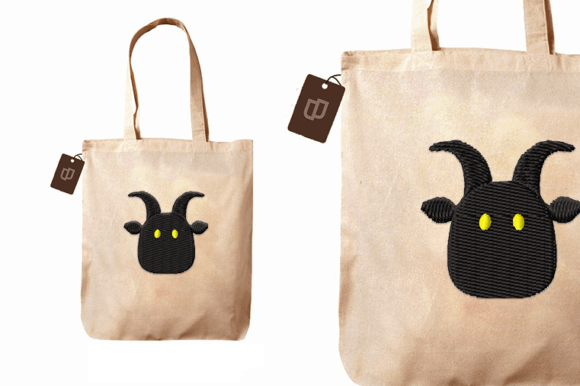
- Tote Bag Design: Canvas bags are staples for craft fairs. The sturdy nature of canvas supports the stitch density well, making this a great candidate for a durable tote bag design.
- Nursery Decor: Farm themes are perennial favorites for baby items. Imagine this stitched onto a muslin baby blanket or a pillow cover for a rustic-themed nursery.
- Kitchen Textiles: An apron featuring this llama could be a bestseller for boutique merchandise. It appeals to home bakers and gardening enthusiasts alike.
- Embroidered Patch: With the right stabilizer, this could be stitched out as a standalone patch, offering customers a versatile accessory they can iron or sew onto jackets and hats.
For commercial embroidery professionals, having a design that works across these different product lines increases its value. You are not just buying one image; you are buying a asset that can populate multiple categories in your shop.
Technical Considerations for Embroiderers
While the design looks promising, practical execution requires attention to detail. Here are the technical factors I evaluated before committing to a full production run.
Hoop Size and Placement
One of the advantages of modern Creative Fabrica embroidery products is the variety of formats. However, you must confirm the specific dimensions of the Lama design. If you are working with a 4x4 hoop, ensure the design fits comfortably with margin for error. For larger items like sweatshirts, a 5x7 or 6x10 hoop might allow for better placement and impact. Always check the product details page for the exact hoop size compatibility before purchasing.
Fabric and Stabilizer Selection
The success of any embroidery file depends heavily on the substrate. For the Lama design, I recommend using a cut-away stabilizer for knit fabrics like sweatshirts to prevent distortion over time. For woven fabrics like tote bags or aprons, a tear-away stabilizer may suffice, but a light cut-away can add longevity if the item will be washed frequently.
Thread color contrast is another critical element. The llama’s fur texture relies on subtle shifts in tone. If you are stitching on dark fabric, ensure you use appropriate underlay stitches or a lighter base thread to make the colors pop. Testing on scrap fabric is non-negotiable. I always stitch a test sample to inspect small details, such as the eyes and ears, to ensure they do not bunch up.
Stitch Density and Texture
Dense stitch areas can cause puckering, especially on stretchy fabric. Upon reviewing the design structure, it appears the digitizer has accounted for this by balancing the fill areas. However, if you are using a textured fabric like terry cloth for towels, you may need to adjust your tension slightly. Running stitch elements should be checked for continuity to avoid thread breaks during high-speed commercial runs.
Enhancing Product Value and Brand Consistency
Why does the choice of design matter for your business? It comes down to perceived value. A high-quality handmade product builds buyer trust. When a customer receives a personalized gift with clean, crisp stitching, they are more likely to leave a positive review and return for future purchases.
The Farm Animals collection helps maintain brand consistency if your shop focuses on rustic, natural, or family-oriented themes. Using cohesive design assets across your product line—from caps to kitchen towels—creates a recognizable brand identity. Furthermore, these designs photograph beautifully. A well-stitched llama on a neutral linen background makes for compelling social media content, driving customer engagement and clicks to your store.
Final Verdict and Practical Advice
Is the Lama design from the Farm Animals collection worth downloading? Based on my evaluation, yes, particularly for designers looking to expand their rustic or animal-themed offerings. It offers a good balance of aesthetic appeal and technical feasibility.
Before you begin your next project, keep these final tips in mind:
- Verify File Details: The product description states that this machine embroidery design comes with multiple embroidery file formats and can be used with multiple embroidery machines. Always double-check that your specific machine format (such as PES, DST, or JEF) is included before downloading.
- Check Licensing: If you plan to sell finished items, review the license terms on the Creative Fabrica product page. Most designs allow for commercial use of physical products, but digital resale is typically prohibited.
- Create Printable Mockups: Before stitching dozens of units, use digital mockups to visualize the design on different colored garments. This helps in planning your inventory and marketing materials.
- Test Thread Colors: Experiment with different thread palettes. While the default colors may be earthy tones, trying pastels or brights can open up new seasonal markets.
In conclusion, the Lama design is a solid addition to any embroiderer’s library. It is versatile, visually appealing, and suited for a wide range of custom apparel and home decor items. By taking the time to test and troubleshoot, you can transform this digital asset into a profitable part of your creative business.