Reindeer Design: A Designer’s Practical Review
As a designer who has spent countless hours digitizing patterns and troubleshooting machine quirks, I approach every new machine embroidery design with a mix of curiosity and skepticism. We have all been there: you download a cute graphic, load it onto your hoop, and pray the stitches align perfectly. Recently, I took a closer look at the Reindeer Design, a festive option marketed for holiday crafts. Rather than just glancing at the thumbnail, I evaluated how this pattern holds up in real-world production scenarios, from custom apparel to home decor.
First Impressions and Visual Personality
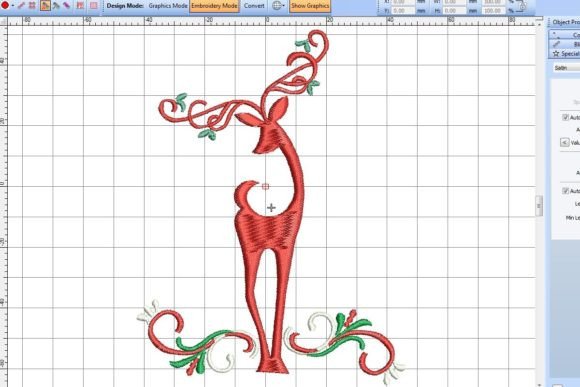
The first thing that strikes you about this Reindeer Design is its approachable charm. It does not try to be overly complex or photorealistic, which is often a mistake in amateur digitizing. Instead, it leans into a stylized, friendly aesthetic that reads well from a distance. The layout is balanced, with clear separation between the antlers, face, and body. This spacing is crucial because it allows the fabric to breathe between stitch areas, reducing the risk of puckering—a common issue with dense holiday motifs.
The mood is undeniably cheerful, making it an ideal candidate for holiday embroidery projects that need to evoke warmth and nostalgia. However, as professionals, we know that "cute" does not always translate to "stitchable." I looked closely at the transition points. The design appears to utilize a smart combination of satin stitch for outlines and finer details, and fill stitch for the broader areas of the reindeer’s body. This hybrid approach usually results in a textured, professional finish that feels substantial without being stiff.
Real-World Application: The Tote Bag Test
To truly understand the value of an embroidery file, you must imagine it on a finished product. I visualized this design applied to a canvas tote bag design for a local craft fair. Canvas is a sturdy fabric, but it has a distinct weave. A design with too much detail can get lost or cause the fabric to distort if the stitch density is too high.
In this case, the Reindeer Design seems well-suited for medium-to-heavy weight fabrics. The bold lines would stand out beautifully against natural cotton or linen. For an Etsy seller looking to create a line of seasonal gift bags, this design offers enough visual interest to justify a higher price point without requiring hours of machine time. It strikes that elusive balance between perceived value and production efficiency.
I also considered its use on a fleece sweatshirt embroidery project. Here, the challenge is always pile management. If the design relies heavily on tiny running stitch details, they might sink into the fleece. However, the broader shapes in this reindeer motif suggest it would sit nicely on top of the nap, especially if paired with a cut-away stabilizer to prevent stretching during wear.
Fabric Considerations and Technical Constraints
While the design is versatile, it is not universal. Experienced makers know that context is everything. I would exercise caution when applying this to thin or stretchy fabrics like jersey knits for baby embroidery items. Without proper stabilization, the fill areas could pull the fabric, creating unsightly wrinkles around the reindeer’s edges. If you are creating custom apparel for infants, always test on scrap fabric first and consider using a lightweight tear-away or no-show mesh stabilizer.
Another critical factor is color contrast. The design’s appeal relies on the distinction between the reindeer and the background. On dark fabrics, you must ensure your thread colors are vibrant enough to pop. A brown reindeer on a navy shirt might disappear. In such cases, adding a white underlay or choosing a lighter thread palette becomes essential for visibility. Conversely, on light fabrics, ensure your backing stitches do not show through, which can ruin the clean look of the finished product.
For those interested in creating an embroidered patch, this design is a strong contender. The self-contained shape makes it easy to cut out after stitching. However, check the edge finishing. If the design lacks a proper border stitch, you may need to add a satin border manually in your software to prevent fraying when the patch is applied to jackets or hats.
Commercial Viability for Small Shops
For craft business owners and small shop product creators, time is money. A design that stitches quickly and reliably is worth its weight in gold. The Reindeer Design appears to avoid unnecessary micro-stitching, which means fewer thread breaks and less trimming. This reliability builds customer trust. When a buyer receives a personalized gift that looks crisp and professional, they are more likely to return.
Furthermore, this design works well for printable mockup creation. Because the shapes are distinct, it photographs well for digital storefronts. Clear, high-contrast images of your design assets help online shoppers visualize the final item, increasing conversion rates. Whether you are selling the physical handmade product or the digital embroidery file itself, presentation matters.
Practical Designer Notes
Before you commit to a large batch of Christmas inventory, keep these practical tips in mind:
- Test on Scrap Fabric: Always run a test stitch-out on the exact fabric you plan to use. Check for registration issues where colors meet.
- Check Stitch Density: If the design feels stiff after stitching, reduce the density in your editing software if possible, or switch to a lighter weight stabilizer.
- Verify Hoop Size: Ensure the design fits comfortably within your hoop, leaving enough margin for clamping. Do not crowd the edges.
- Review Licensing: If you plan to sell items made with this commercial embroidery design, confirm the license terms. Some designers allow sales of finished goods but prohibit sharing the file.
- Thread Quality: Use high-quality polyester or rayon threads to ensure sheen and durability, especially for items that will be washed frequently.
Final Verdict
The Reindeer Design is a solid addition to any holiday-themed library. It avoids the pitfalls of over-complication and focuses on clear, readable shapes that translate well to thread. While it requires standard precautions regarding fabric choice and stabilization, it offers excellent potential for a wide range of applications, from aprons and pillow covers to boutique gifts. For the serious maker, it represents a reliable tool that, when used with skill, can elevate the perceived quality of your embroidery project and delight your customers.