Review: Hold on Let Me Overthink This Design
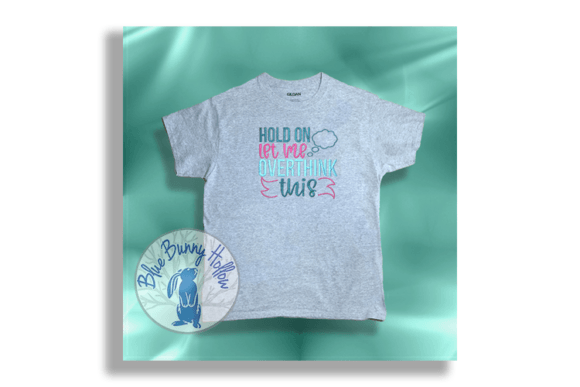
As a designer who has spent countless hours digitizing and testing patterns for real-world application, I approach every new machine embroidery design with a mix of curiosity and skepticism. We have all seen designs that look fantastic on a screen but turn into a tangled mess of thread breaks and puckering once they hit the fabric. That is why I took a close look at Hold on Let Me Overthink This, a piece from the Friends Quotes category, to see if it holds up under the needle.
The first thing that strikes you about this design is its personality. It is not just text; it is a mood. In today’s market, customers are drawn to items that reflect their internal monologue with a touch of humor. This design captures that perfectly. The layout feels balanced, avoiding the common pitfall of cramped lettering that often plagues quote-based embroidery. For an Etsy seller or small shop owner, this visual appeal is crucial. It needs to stop the scroll, and this witty phrase does exactly that.
Real-World Application: The Tote Bag Test
To truly evaluate an embroidery file, you have to imagine it on a finished product. I visualized this design stitched onto a heavy canvas tote bag. This is a popular item for crafters and boutique owners alike. The phrase "Hold on Let Me Overthink This" resonates deeply with the creative community, making it an ideal choice for a personalized gift or a staple in a craft business inventory.
When placed on a tote, the design’s width becomes a key factor. It needs to sit comfortably within standard hoop sizes without requiring excessive re-hooping or complex positioning. From a practical standpoint, the design appears to have a horizontal flow that works well for rectangular spaces. If you are creating a tote bag design for a local market, this piece offers a high perceived value because it feels custom and thoughtful, rather than mass-produced.
Stitch Quality and Fabric Considerations
Let us talk about the technical side. While I do not have the exact stitch count or density map in front of me, the visual structure suggests a mix of satin stitch borders and fill stitch bodies, which is standard for legible text embroidery. However, the success of this design depends heavily on your choice of stabilizer and fabric.
If you are stitching this on a textured fabric like a waffle-knit sweatshirt, you must ensure the stitch density is not too high. High density on stretchy or textured materials can cause pulling and distortion. For sweatshirt embroidery, I recommend using a cut-away stabilizer to provide long-term support, especially since this item will likely be washed frequently. The humor in the design should not be lost to puckering fabric.
Conversely, if you are using this for baby embroidery on a soft onesie, you need to be cautious. Babies have sensitive skin, so the back of the embroidery must be clean. Check if the design uses a backing stitch that might feel scratchy. In such cases, a soft tear-away stabilizer combined with a gentle wash after stitching can help soften the hand feel of the finished product.
Navigating Challenges with Dark and Curved Surfaces
One common challenge with quote-based designs is contrast. If you plan to stitch this on dark fabric, your choice of thread colors becomes critical. A light cream or bright white thread will pop, but you must ensure the design does not rely on subtle shading that gets lost in low light. Always test your digital embroidery file on a scrap piece of the actual fabric you intend to use. This simple step saves hours of frustration and wasted materials.
Curved surfaces, such as caps or hats, present another hurdle. The phrase is relatively long, so fitting it onto a standard cap front panel might require scaling down. Be careful here. Scaling down too much can merge small details, making the text unreadable. If you are creating an embroidered patch instead, you have more control over the background and can ensure the edges are clean and professional. Patches are also a great way to offer this design as a modular design asset that customers can apply to various items themselves.
Commercial Viability for Small Shops
For commercial embroidery projects, consistency is key. You need a design that reproduces well across multiple units. Hold on Let Me Overthink This has a timeless quality that fits well within the Friends Quotes niche. It is not tied to a specific holiday, which means it can be sold year-round. This makes it a reliable addition to your small shop product lineup.
When creating printable mockups for your online store, consider showing the design on various items like aprons, pillow covers, and tea towels. This helps customers visualize the versatility of the piece. An apron with this quote is a fantastic gift for a friend who loves to cook but also loves to worry about the timing. It adds a layer of relatability that drives engagement and sales.
Practical Designer Notes
Before you commit to production, keep these practical tips in mind:
- Test on Scrap Fabric: Always run a test stitch-out on the same type of fabric you plan to use for the final product. This reveals any issues with tension or density.
- Check Thread Contrast: Ensure your thread color stands out against the fabric. Use a color chart to verify visibility before stitching.
- Review Stitch Density: If the design feels stiff after stitching, consider reducing the density in your editing software, if permitted by the license.
- Confirm Hoop Size: Measure the design dimensions against your machine’s hoop capabilities to avoid positioning errors.
- Inspect Small Details: Zoom in on the digital preview to check for tiny elements that might not stitch out cleanly on textured fabrics.
- Licensing Verification: Always confirm the license terms. Ensure you are allowed to use the design for commercial purposes if you are selling finished items.
In conclusion, Hold on Let Me Overthink This is a strong contender for any designer looking to add humor and relatability to their portfolio. It performs well on stable fabrics like canvas and cotton blends, making it ideal for tote bags, aprons, and home decor. With proper attention to stabilizer choice and thread contrast, it can become a bestseller in your handmade product line. Remember, the best designs are those that not only look good but also stitch out reliably, allowing you to focus on growing your brand rather than fixing errors.