Review: Have a Happy Christmas for Business Merch
As an embroidery designer who has spent years digitizing and reviewing files for commercial use, I approach every new machine embroidery design with a critical eye. It is not just about whether the artwork looks cute on a screen; it is about how it performs under the needle, how it holds up after washing, and most importantly, how it serves the brand identity of the small business owner purchasing it. Today, I am reviewing Have a Happy Christmas, a Santa-inspired piece that promises a unique blend of sketch-style artistry and clean satin stitch lettering. For boutique owners, Etsy sellers, and apparel decorators, understanding the practical application of this design is crucial before adding it to your holiday catalog.
First Impressions: Balancing Whimsy and Professionalism
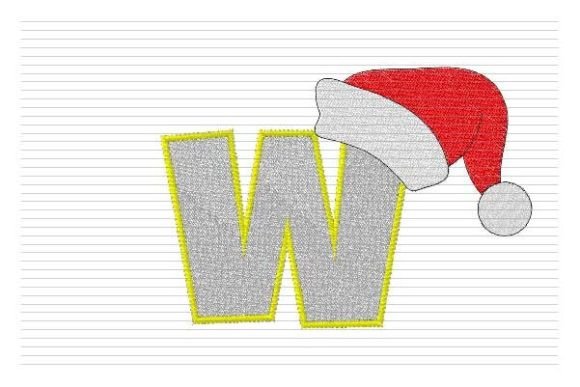
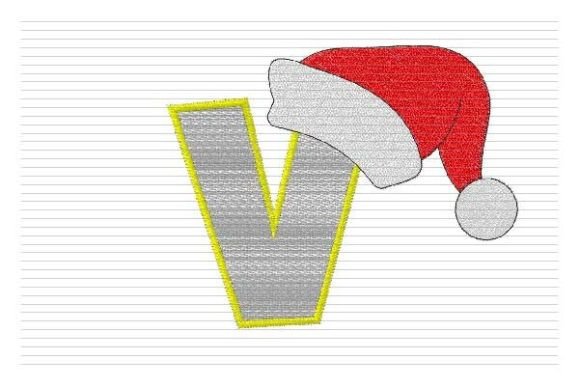
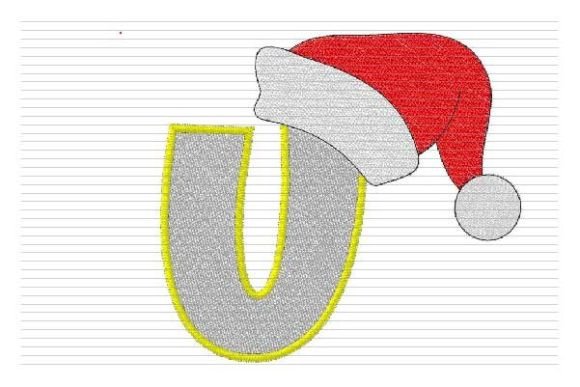
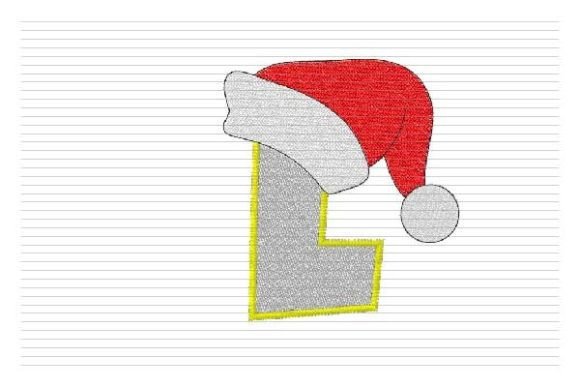
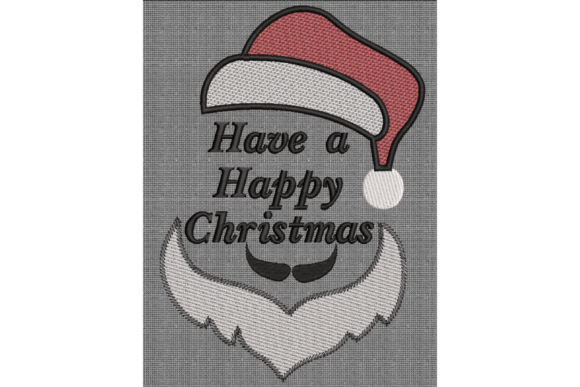
The first thing that strikes me about Have a Happy Christmas is its hybrid aesthetic. The description highlights "sketch embroidery" paired with "satin stitch lettering." This is a sophisticated combination. Sketch-style embroidery often mimics the look of hand-drawn pencil or ink lines, giving the finished product a handmade, artisanal feel. When combined with the smooth, glossy finish of satin stitches in the lettering, the design bridges the gap between rustic charm and professional polish.
For a small business, this visual personality is powerful. It does not scream "mass-produced." Instead, it suggests care and attention to detail. Whether you are running a local bakery, a florist shop, or a creative studio, this design feels friendly and inviting without sacrificing elegance. It avoids the cluttered look of overly complex holiday graphics, opting instead for a cleaner, more modern interpretation of Christmas themes. This makes it versatile enough for high-end boutique merchandise as well as casual staff uniforms.
Real-World Applications for Small Business Merch
When evaluating a digital embroidery file for commercial use, I always ask: where does this live on the product? Have a Happy Christmas appears to be designed with versatility in mind. Here is how I see it performing across different product categories:
- Embroidered Patches: This is perhaps the strongest use case. A patch allows you to apply the design to multiple items without embroidering each one individually. You can create a batch of patches to sell as standalone accessories or sew them onto denim jackets, tote bags, and hats. The sketch elements will add texture, while the satin lettering ensures readability.
- Staff Uniforms and Aprons: For cafes and bakeries, holiday aprons are a huge seller and a great marketing tool. Embroidering this design on the chest or lower corner of an apron adds a festive touch that customers notice. It reinforces brand warmth during the busy holiday season.
- Cap Embroidery: If the design dimensions allow, placing this on the front panel of a dad hat or trucker cap creates instant streetwear appeal. However, curved surfaces require careful digitizing to prevent puckering. Since this file is noted as "manually digitized and test stitched," it likely accounts for these contours, but always verify the hoop size compatibility.
- Tote Bag Design: Canvas totes are staples for handmade brands. The contrast between the sketch lines and the bold lettering will pop against natural cotton fabrics, making it an excellent choice for eco-friendly packaging or customer gifts.
Technical Considerations and Production Notes
While the aesthetic appeal is high, technical execution is where many small businesses stumble. As a designer, I must point out areas where Have a Happy Christmas requires careful handling. The mix of sketch embroidery and satin stitches means there are varying stitch densities. Sketch fills often use lighter density to create a translucent, drawn effect, while satin columns are dense and heavy.
Fabric Texture and Stabilizer: When stitching on textured fabrics like towels or heavy canvas, the sketch elements might get lost if the thread color does not have enough contrast. Conversely, on smooth performance fabrics, the satin stitches need a robust cut-away stabilizer to prevent distortion. Always test the design on your specific fabric type before running a full production batch. Do not assume that because it is "test stitched" by the digitizer, it will behave identically on your machine with your thread tension settings.
Size and Legibility: Be cautious when scaling this design down for small patch sizes or sleeve details. Sketch embroidery relies on fine lines. If you shrink the design too much, those lines may merge or break, losing the intended artistic effect. Similarly, ensure the satin stitch lettering remains large enough to be read from a distance. If you are using this for a subtle chest logo accent, confirm that the details remain crisp at smaller dimensions.
Enhancing Brand Identity and Customer Trust
Why does the choice of embroidery design matter for your bottom line? Because it directly impacts perceived value. A poorly digitized design with loose threads or uneven spacing signals low quality. In contrast, a clean, well-executed design like Have a Happy Christmas elevates the perceived quality of the entire garment. It tells the customer that your brand cares about presentation.
Using this design on customer gifts or limited-edition holiday merch creates a sense of exclusivity. It transforms a simple t-shirt or mug cozy into a collectible item. For Etsy sellers and crafters, offering products with this specific aesthetic can help differentiate your shop from competitors using generic clipart. It contributes to a cohesive visual identity that feels curated and thoughtful.
Practical Designer Checklist Before Production
Before you load this embroidery file into your machine for a client order or stock run, follow these steps to ensure success:
- Check File Formats: Ensure you have the correct format for your machine (PES, DST, JEF, etc.). The product description mentions it is manually digitized, which is a good sign, but confirm compatibility.
- Test Stitch Out: Always run a test stitch on a scrap piece of the actual fabric you intend to use. Check for thread breaks, nesting, or registration issues between the sketch and satin elements.
- Evaluate Thread Colors: Sketch embroidery often looks best with monochromatic or tonal thread choices, while satin lettering can handle high-contrast colors. Create a printable mockup to visualize different colorways before committing to thread spools.
- Confirm Commercial Licensing: Never assume a file is free for commercial use. Verify the license terms provided with the purchase. Most professional designers allow small business merch use, but restrictions may apply to mass production or digital resale.
- Review Hoop Size Requirements: Make sure your hoop can accommodate the design dimensions. If the design is large, you may need a larger hoop or a multi-position strategy, which increases production time.
Final Verdict for Merch Creators
Have a Happy Christmas is a strong contender for holiday collections. Its blend of sketch artistry and traditional satin finishing offers a fresh take on seasonal embroidery. For small business owners, it provides a flexible asset that can work across patches, apparel, and accessories. However, success lies in the execution. Respect the technical nuances of the stitch density, choose your fabrics wisely, and always prioritize quality control.
If you are looking to add a touch of handmade elegance to your custom apparel or branded products this season, this design delivers. Just remember to treat it as a professional production element, not just a decorative graphic. With the right stabilizer, thread choice, and testing protocol, it can become a standout piece in your holiday inventory, driving engagement and reinforcing your brand’s commitment to quality.